The Lingoberry Blog
Language-learning tips, culture, and stories from Pip
Kekri: Finland's forgotten Halloween (and the words that come with it)
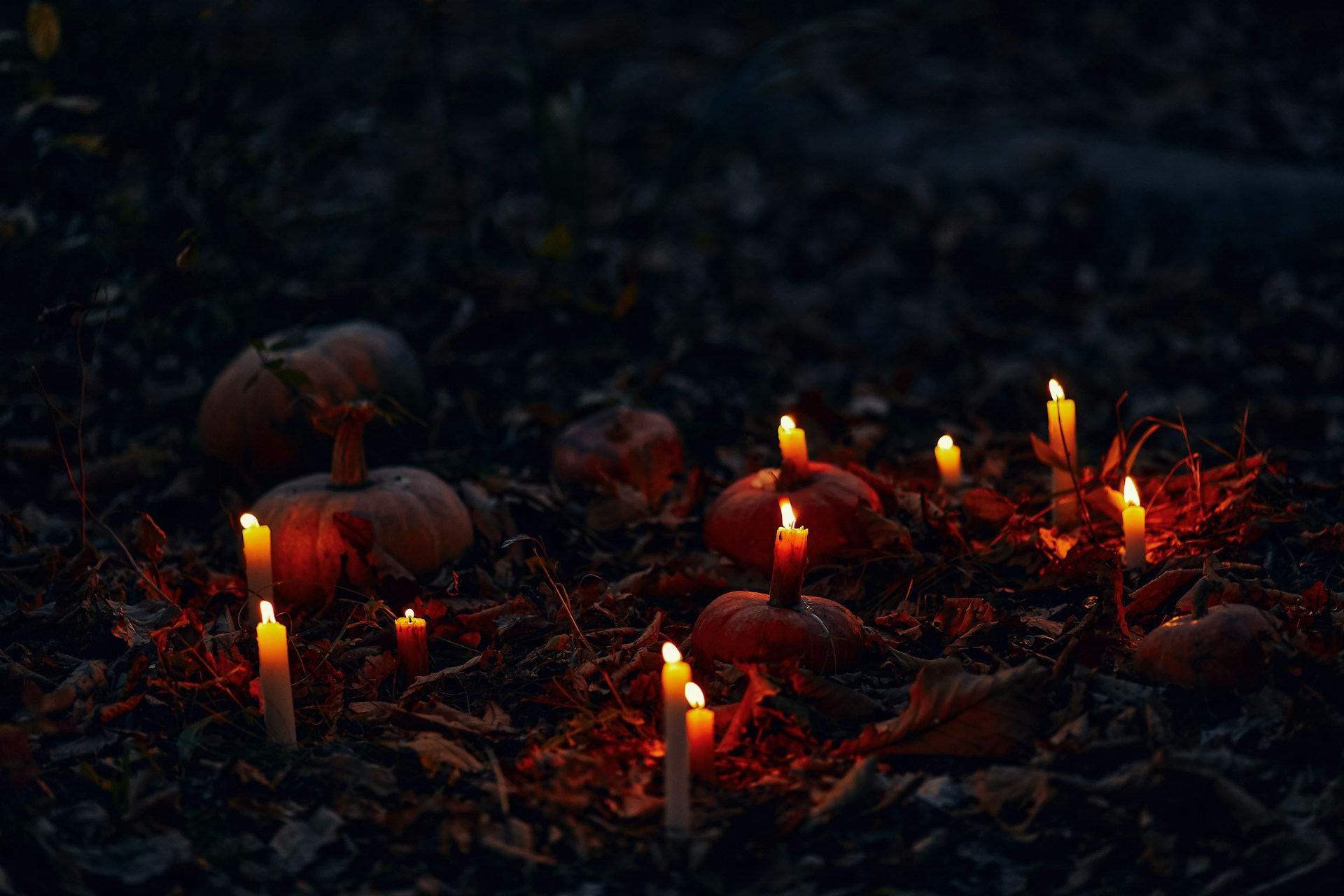
Before Finland had Halloween, it had Kekri: a harvest festival with turnip lanterns, masked goats and its own "trick or treat". Meet the history, the vocabulary and a spooky little dialogue.
Fewer or less? The one rule that clears it up
Fewer or less? Learn the one counting test that settles it, plus the 1770 opinion and the 2008 Tesco sign change behind the debate.

Mythology & Language, Part 4: The Celtic ghosts hiding in your city map and your calendar
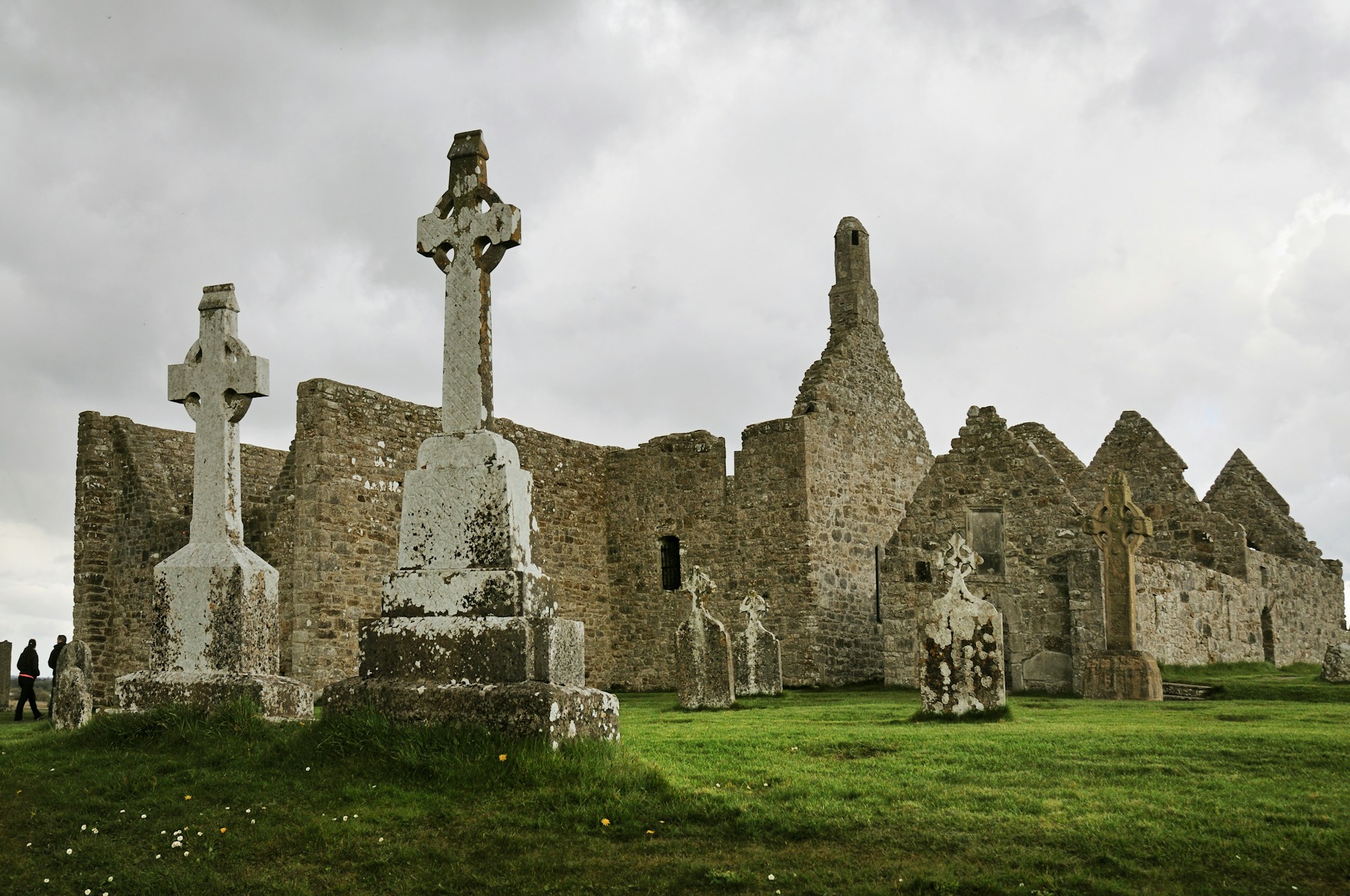
You already know Thursday belongs to Thor and January belongs to Janus. But whose city is Lyon? Who does Halloween actually belong to? The Celts once spanned most of Europe — and their gods are still hiding in the names of major cities, in a two-billion-person holiday, and in more English words than you'd expect.
Mythology & Language, Part 3: How Norse Gods Named Our Weekdays
Why is Wednesday spelled so strangely? Learn how Norse gods Thor, Odin, and Týr named our weekdays — plus Viking words like "berserk" and "ransack."

Mythology & Language, Part 2: How Roman Gods Named Our Calendar
From the calendar to the planets, Roman mythology shaped modern vocabulary. Explore why January honors Janus and how Vulcan gave us "volcano."

Mythology & Language, Part 1: How Greek Gods Shaped Modern Vocabulary
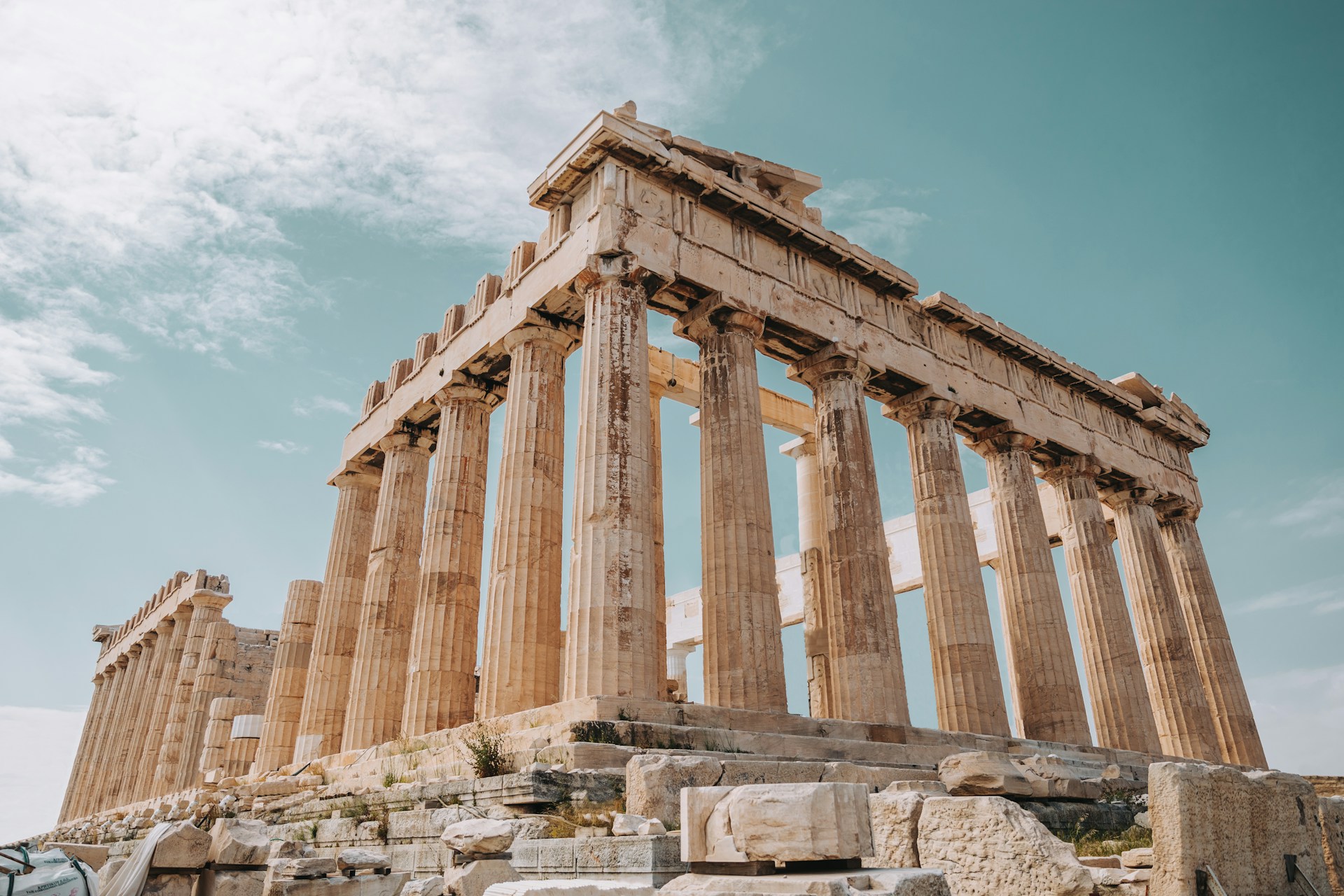
Discover how Greek gods like Hermes, Athena, and the Muses still live in everyday English words. Learn the mythological origins of "panic," "narcissism," and more.
¡La Leche! A guide to Spain's milkiest expressions
Why do Spaniards use "milk" to mean everything from "awesome" to "I'm furious"? From wet nurses to profanity, here's your guide to Spain's strangest expressions.

Where do the weekday names come from?
Say the English weekdays and you're invoking Norse gods; say the Spanish or French ones and you're invoking Roman ones. They're the same seven days, named twice — with a planetary puzzle, a saint who deleted the pagans, and one day nobody could translate.
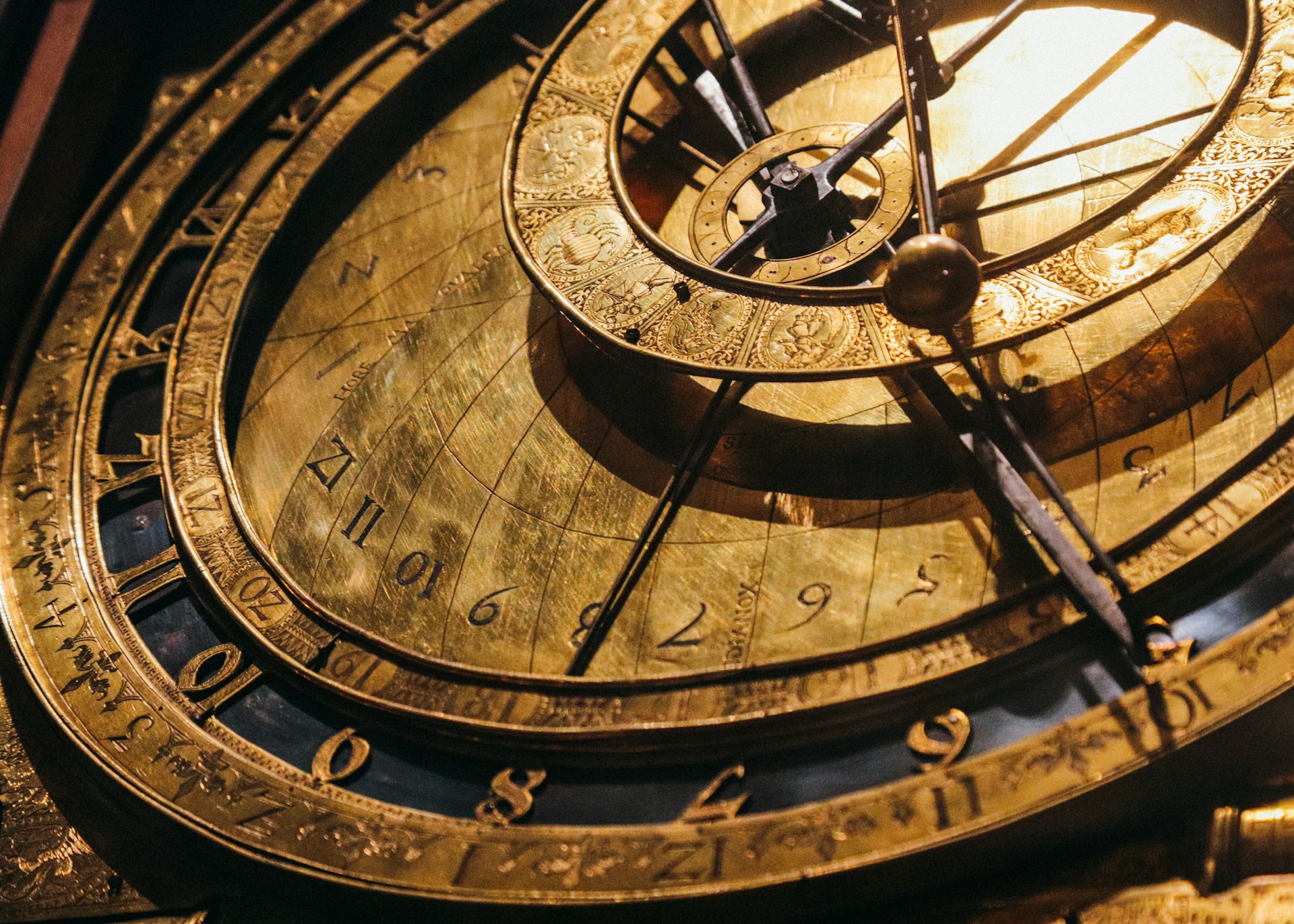
Why German still Capitalises its Nouns (and English used to as well)
In 1787, capitalising every significant Noun was standard English — just as German still does today. Then English stopped, and German didn't. The reason was almost entirely about aesthetics, and nobody held a conference to decide it.
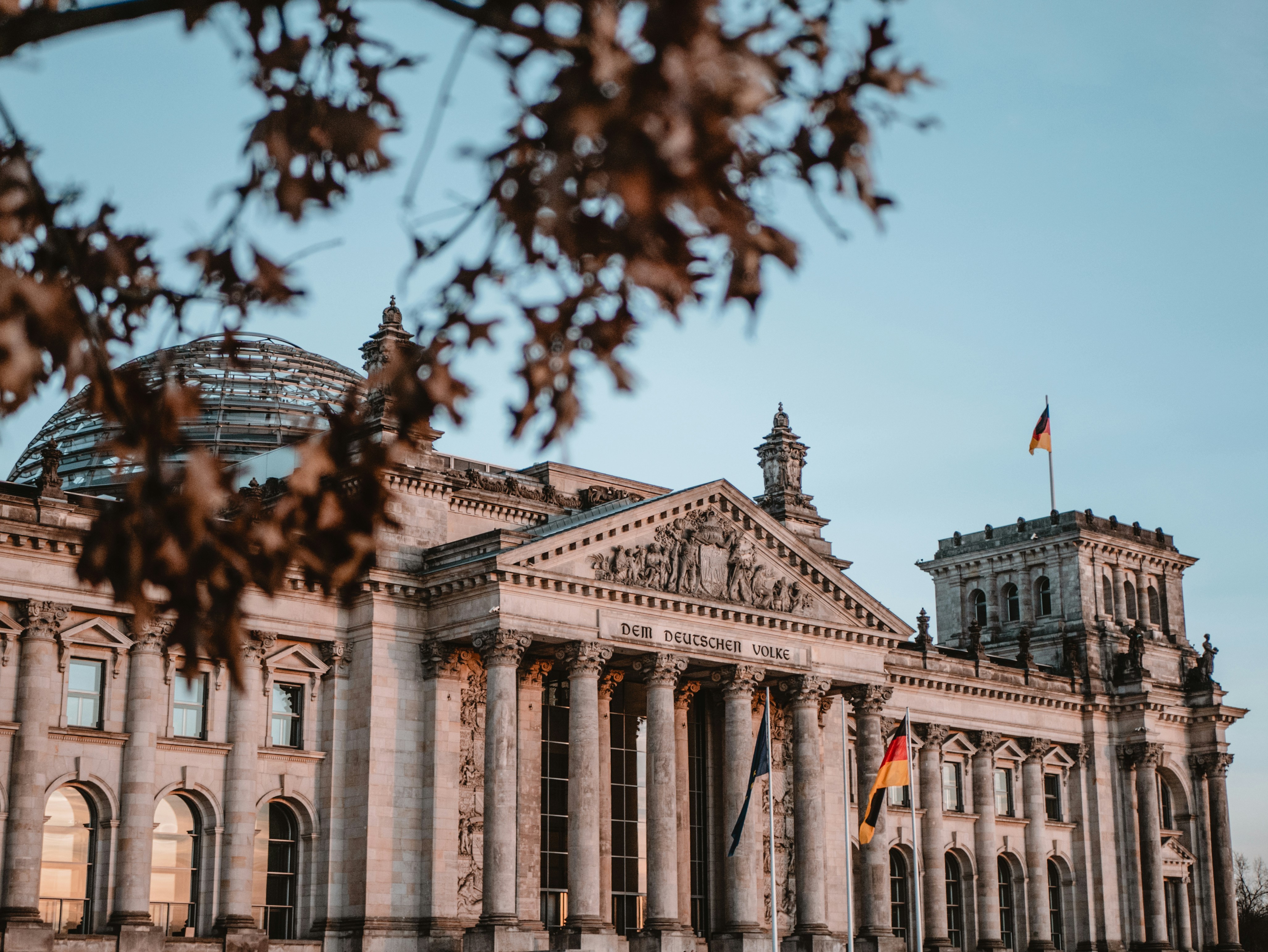
From ZIP codes to blog posts: the surprising history of the word "post"
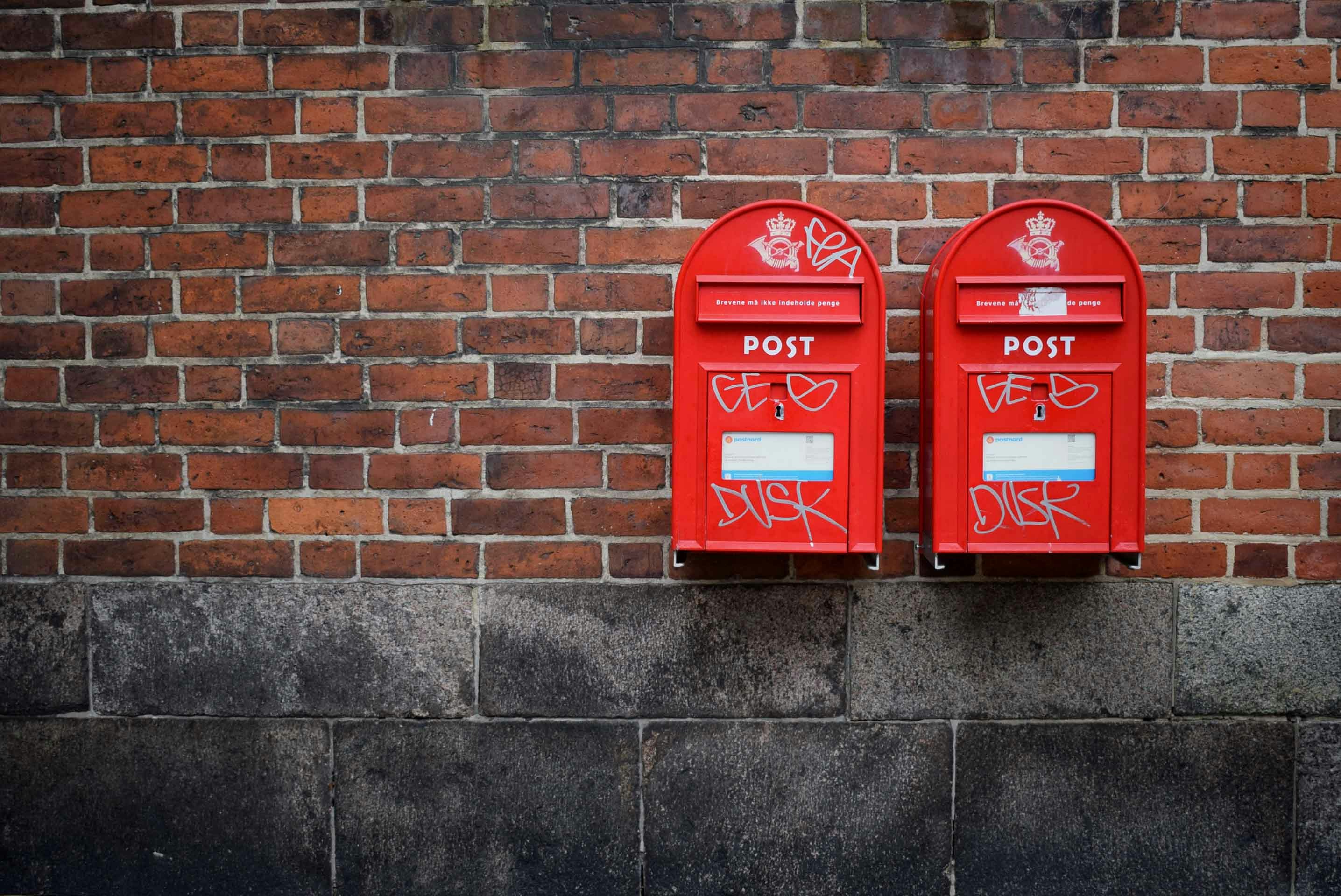
ZIP code, postal code — same argument, different accent. But neither side ever stops to ask the stranger question: why is the thing that carries your letters and publishes your blog posts called post in the first place? The answer involves Roman relay horses, a wooden stake in the ground, and two Latin roots that split apart two thousand years ago and quietly braided back together into one of the most ordinary words on your keyboard.