The Lingoberry Blog
Language-learning tips, culture, and stories from Pip
Why English spelling is a crime scene
English spelling wasn't designed — it accumulated, like sediment. Five languages had a hand in it, and none of them cleaned up after themselves. Here's the forensic report.
Where do the weekday names come from?
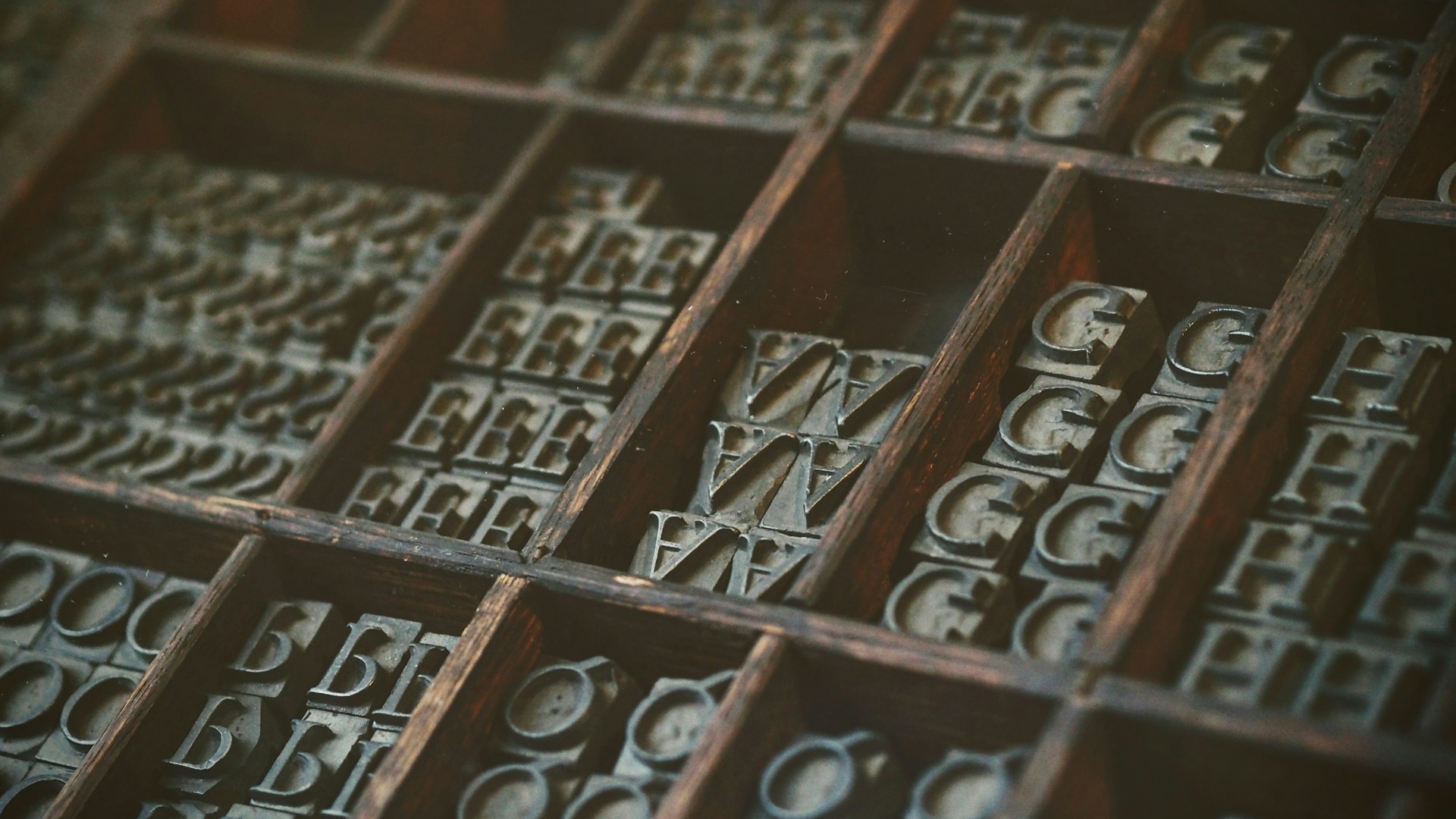
Say the English weekdays and you're invoking Norse gods; say the Spanish or French ones and you're invoking Roman ones. They're the same seven days, named twice — with a planetary puzzle, a saint who deleted the pagans, and one day nobody could translate.
Why German still Capitalises its Nouns (and English used to as well)
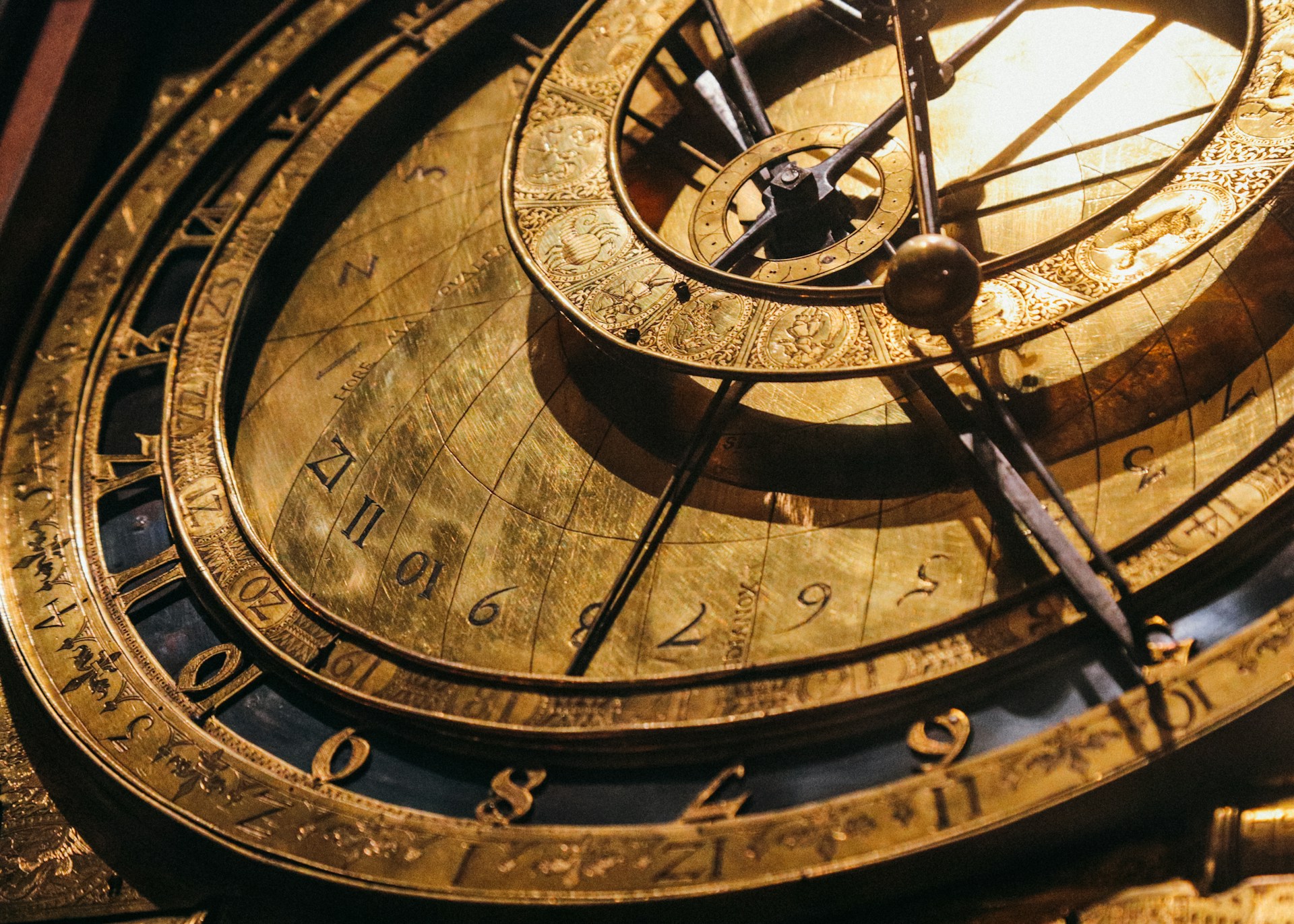
In 1787, capitalising every significant Noun was standard English — just as German still does today. Then English stopped, and German didn't. The reason was almost entirely about aesthetics, and nobody held a conference to decide it.
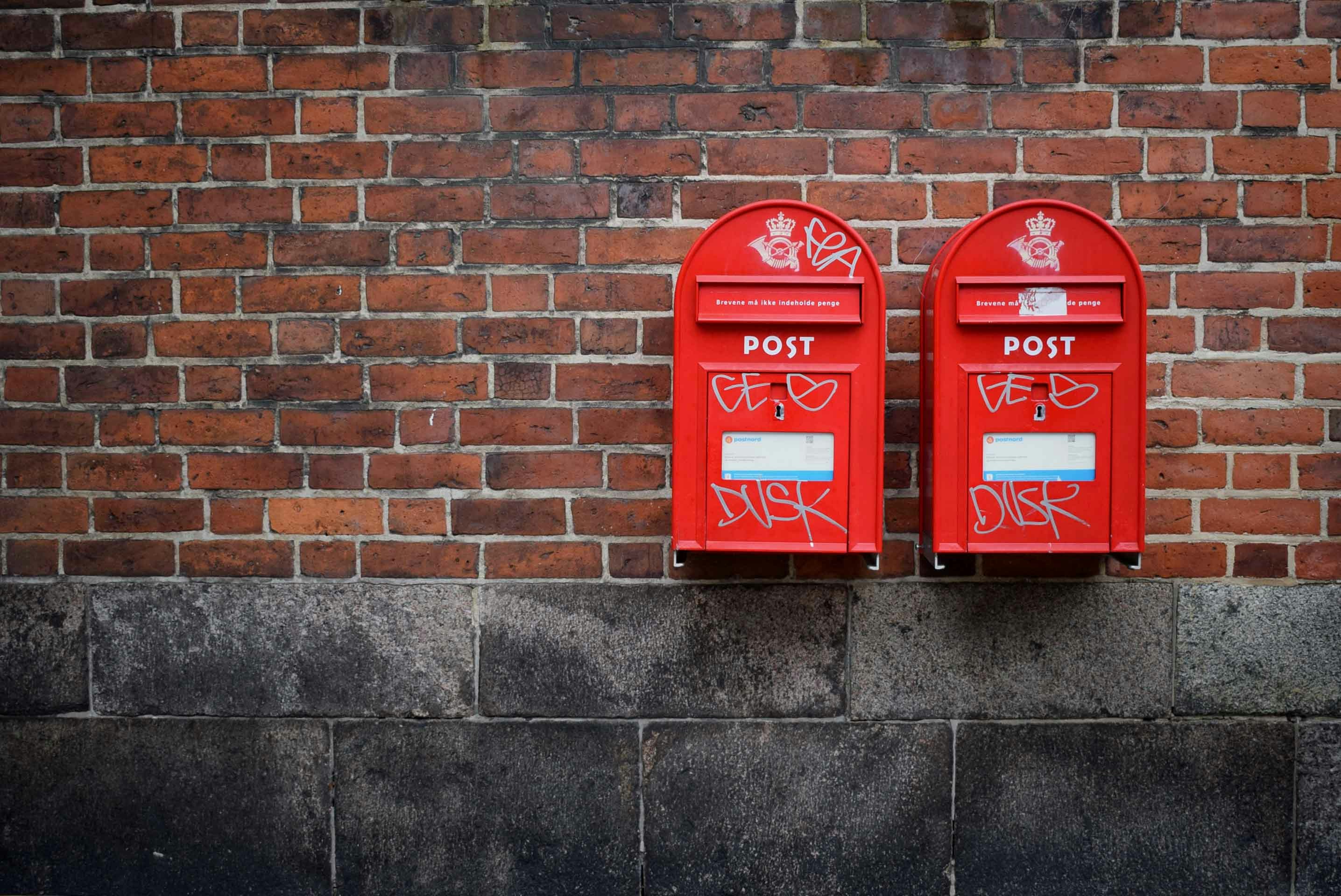
From ZIP codes to blog posts: the surprising history of the word "post"
ZIP code, postal code — same argument, different accent. But neither side ever stops to ask the stranger question: why is the thing that carries your letters and publishes your blog posts called post in the first place? The answer involves Roman relay horses, a wooden stake in the ground, and two Latin roots that split apart two thousand years ago and quietly braided back together into one of the most ordinary words on your keyboard.
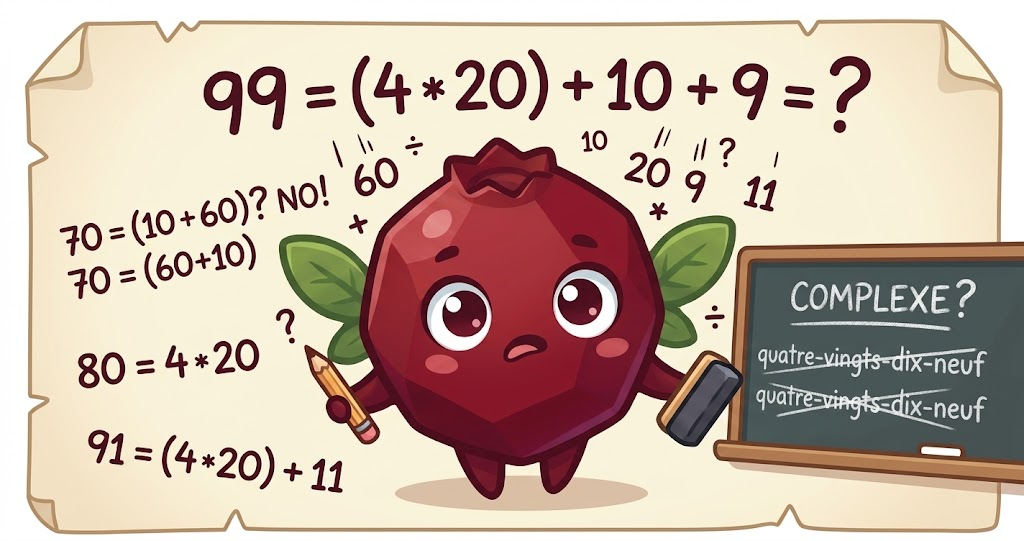
Why French numbers force you to do mental math?
French is the only major Romance language where buying a coffee might require solving 4 × 20 + 10 + 9. It's not a quirk — it's the fossil of a 2,000-year battle between Roman legions, Celtic tribes, and 17th-century Parisian snobs.
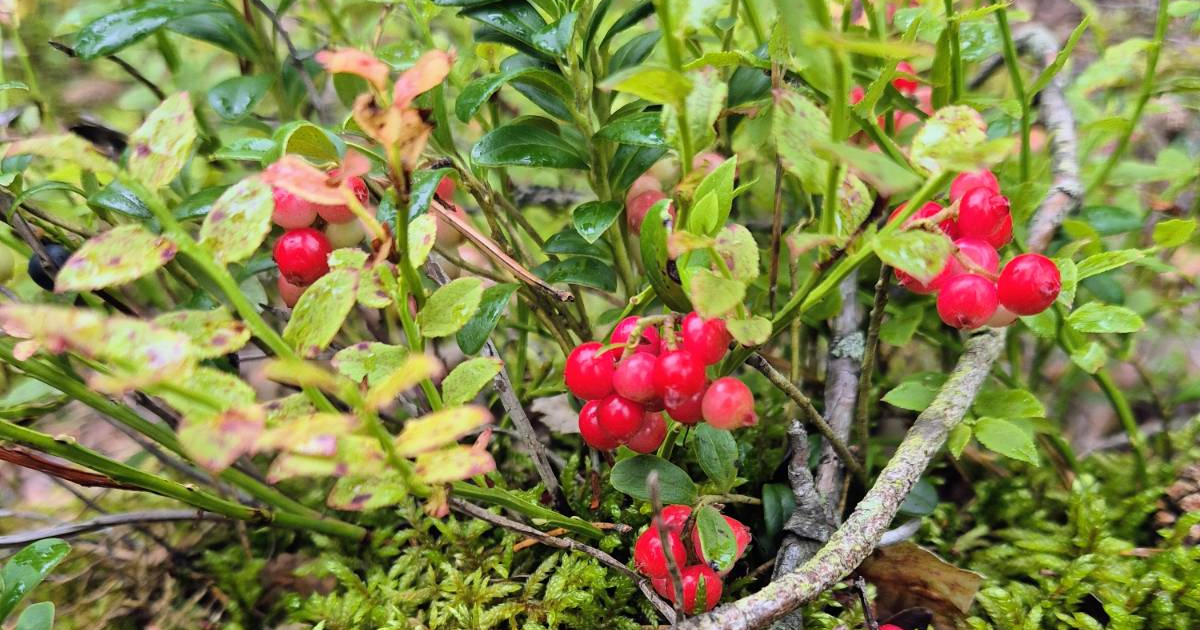
Lingonberry: Finland's "red gold"
Finland's "red gold" is more than just a berry — it shaped mythology, saved lives through harsh winters, and remains a cherished national tradition. Discover the story behind Pip's namesake.
September is lying to you — and so are October, November, and December
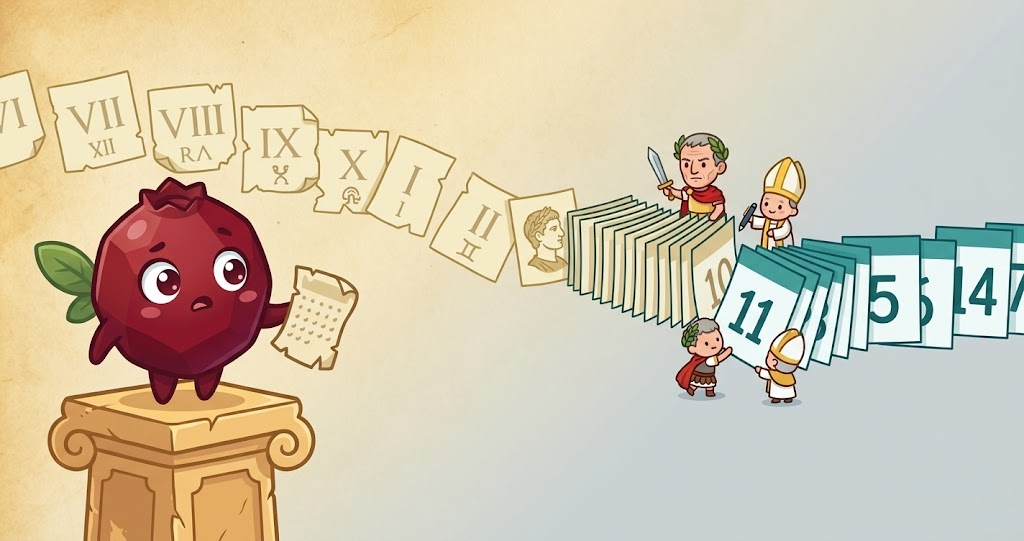
September means "seventh." October means "eighth." November, ninth. December, tenth. Every single one of them is wrong — and has been for over 2,500 years. Here's the paper trail of kings, dictators, and one very decisive pope that turned a tidy ten-month calendar into the gloriously broken thing we still use today.
Every time you say "ojalá," you're speaking Arabic
When a Spanish speaker sighs *ojalá*, they're unknowingly uttering an 8th-century Arabic prayer. It's one of around 4,000 Arabic words hiding in plain sight in modern Spanish — and the story of how they got there spans seven centuries, a medieval superpower, and a piece of fruit that travelled from ancient India to a Seville market.