Lingonberry: Finland's "red gold"
Pip
Aug 9, 2026 · 3 min read
If you've been learning with us, you're already familiar with our mascot, Pip the Lingonberry. But did you know that Pip's namesake is one of the most culturally significant symbols of the Nordic region?
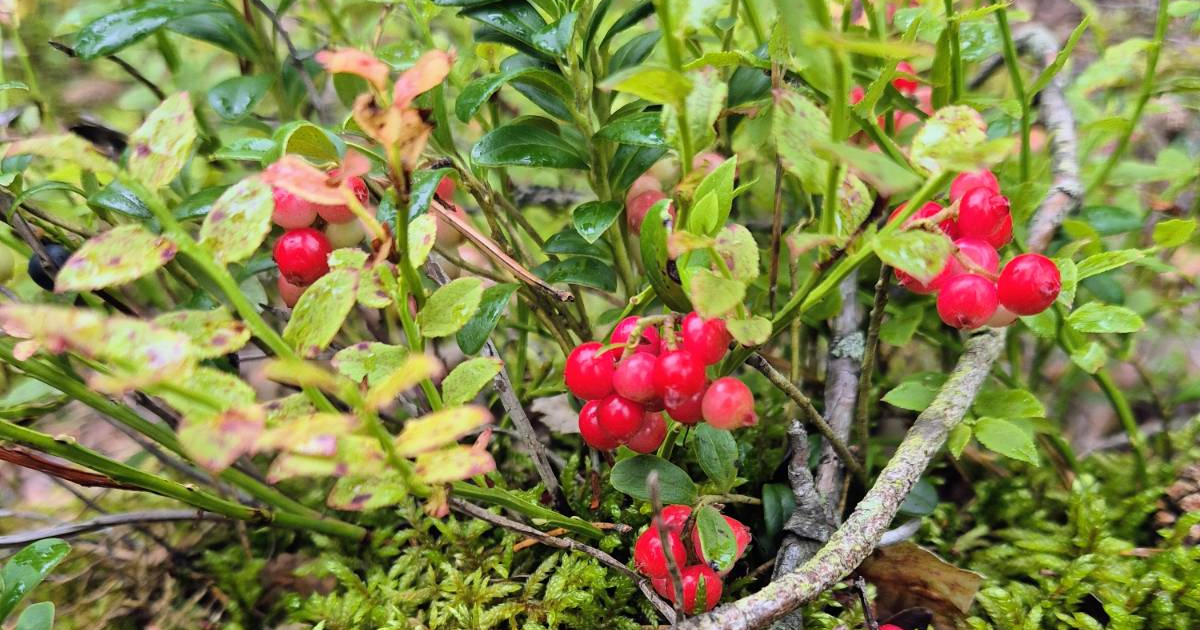
In Finnish, the lingonberry is called puolukka (pwoh-look-kah), and it is deeply woven into the nation's history, folklore, and everyday life. Lingonberries grow wild across the entire boreal zone—from Scandinavia through Russia to Canada—but nowhere is the cultural bond quite as deep as in Finland. Let's take a journey to the forests of Finland to uncover why this little red berry is considered "Red Gold."
1. The berry of myth and magic
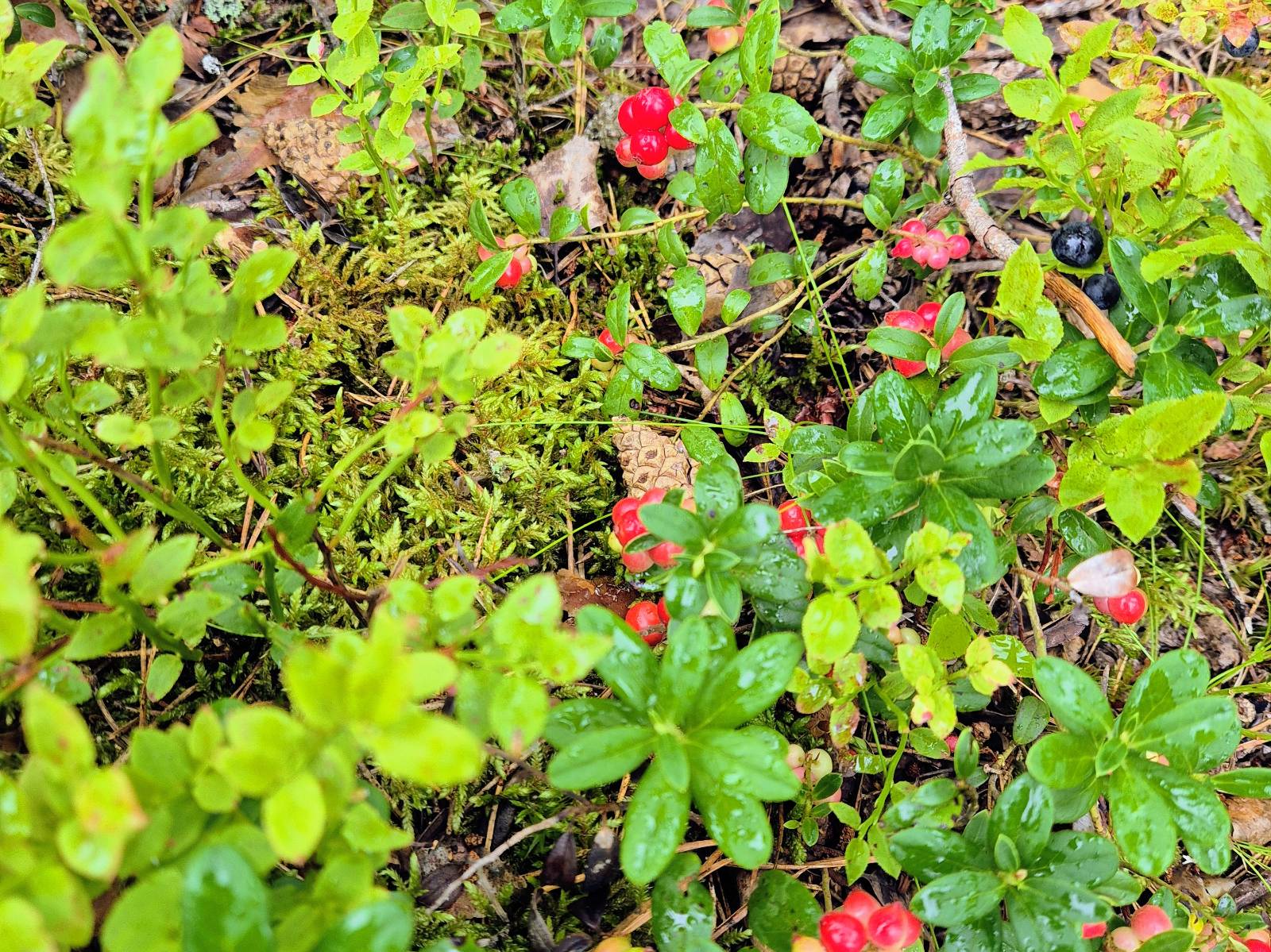
The puolukka is so important to Finland that it literally changed the course of its mythology. In the Kalevala, Finland's national epic, the final rune tells the story of a young maiden named Marjatta. While out in the woods tending her sheep, a magical lingonberry calls out to her from a hillock:
"Come, maiden, and pick me; gather me, young girl! Pick me with your golden fingers!"
When Marjatta eats the berry, she miraculously becomes pregnant and later gives birth to a noble boy. When the ancient wizard Väinämöinen decrees that the fatherless child must be put to death, the infant speaks up to defend himself and is instead crowned the King of Karelia. This mythic transition symbolizes the arrival of Christianity in Finland and the departure of the old pagan heroes. Pip might be small, but he belongs to a legendary lineage of world-changing berries!
2. The original survival food
Long before modern freezers or global supply chains, surviving the long, harsh Finnish winters required ingenuity. The lingonberry was a literal lifesaver:
- Scurvy Prevention: Unlike many other summer berries, lingonberries ripen in late autumn and remain intact well into the frost, providing a critical source of Vitamin C and dietary fiber.
- Natural Preservation: Lingonberries contain exceptionally high levels of benzoic acid, a natural preservative. Finns could simply crush fresh lingonberries (survottu puolukka) into barrels using their own juices and store them in cold root cellars for months—no sugar, boiling, or chemical additives required!
3. Jokamiehenoikeus: the freedom to roam
In Finland, the connection to nature is enshrined in law through Jokamiehenoikeus (Everyman's Right / Freedom to Roam). This legal and cultural principle allows anyone—citizens and visitors alike—to freely walk through forests, camp, and gather wild berries and mushrooms regardless of land ownership.
Every September, Finnish forests light up with clusters of deep red berries. Over half the population venture into the woods equipped with buckets and traditional berry-pickers (poimuri). Foraging for puolukka is not just about harvesting free food; it is a seasonal ritual that connects generations to the land.
4. A Staple on the Finnish plate
The tart, acidic profile of the lingonberry provides a balance to rich Nordic cuisine. You will almost always find a side of puolukkahillo (lingonberry jam) served alongside:
- Finnish meatballs (lihapullat) and mashed potatoes
- Sautéed reindeer (poronkäristys)
- Cabbage rolls (kaalikääryleet)
- Blood pancakes (veriohukaiset)
- Spinach pancakes (pinaattiohukaiset)
The star dessert: Vispipuuro
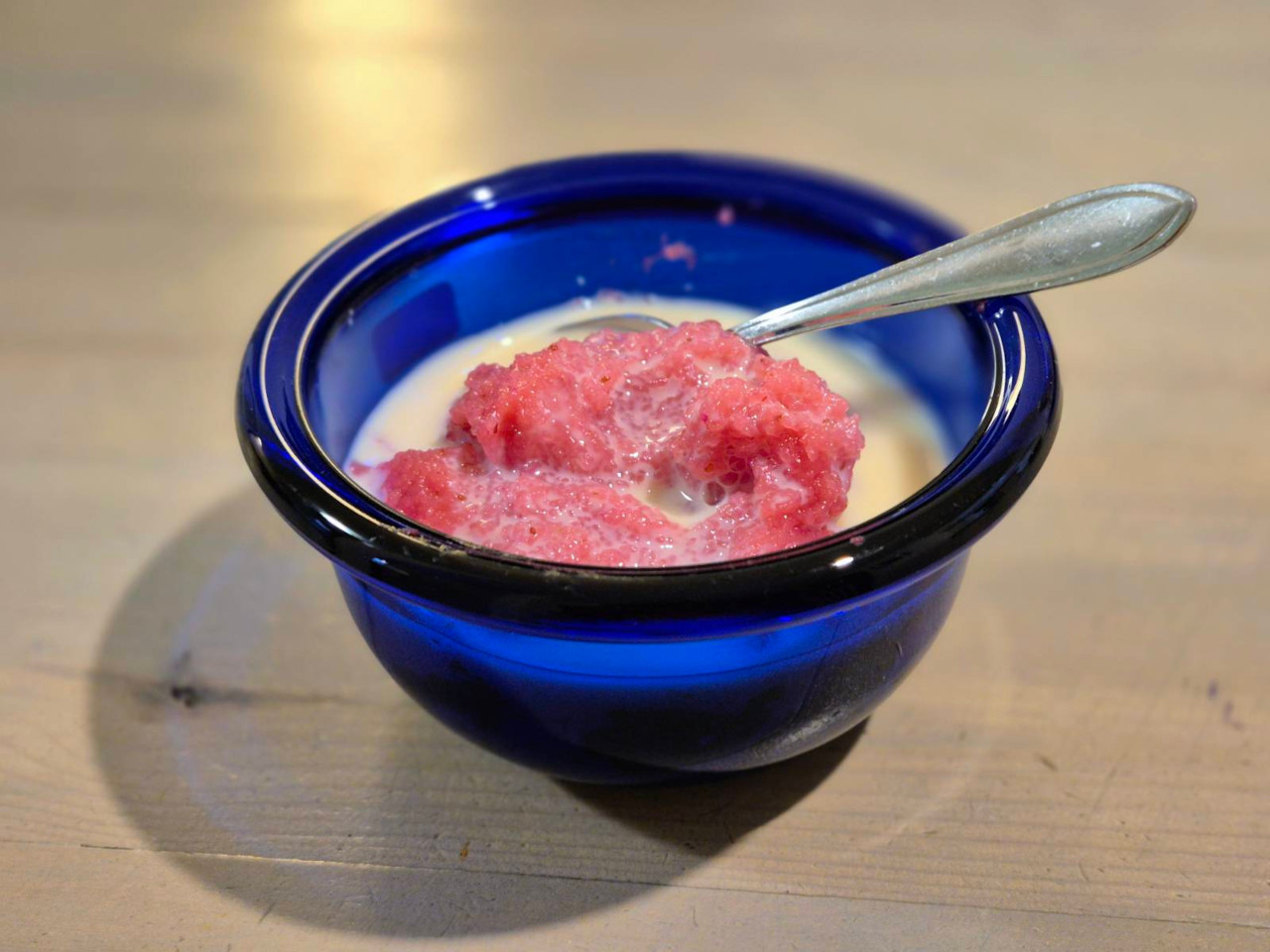
The undisputed queen of Finnish lingonberry dishes is Vispipuuro ("whipped porridge"). It is made by simmering lingonberries with wheat semolina (mannaryynit) and a hint of sugar, then whisking the mixture vigorously as it cools. The process incorporates air into the porridge, transforming it into a fluffy, pink, mousse-like delight traditionally served with a pour of cold milk.
Learn like a lingonberry!
The puolukka survives subzero temperatures, packs a powerful punch of vitality, and has sustained a nation for centuries. That's exactly the resilience and spirit Pip brings to your language learning journey! Mastering a new language takes grit, consistency, and a dash of wild curiosity.
Nähdään taas! — Pip 🌿
References & sources
- The Kalevala / Finnish Epic Traditions:
- Suomalaisen Kirjallisuuden Seura (SKS) / Finnish Literature Society – Story of Marjatta (Rune 50 of the Kalevala). Wikipedia entry on Marjatta
- Nutritional & Botanical Profile:
- Nordic Genetic Resource Center (NordGen) – Vaccinium vitis-idaea (Lingonberry) overview & natural benzoic acid properties. NordGen Plant Portrait
- Everyman's Right in Finland:
- Metsähallitus / Luontoon.fi – Everyman's Rights (Jokamiehenoikeus) in Finnish Nature. Luontoon.fi - Everyman's Rights
Related posts
Want to practise what you've read?
Lingoberry gives you AI-powered translation, dictation, and speaking exercises — guided by Pip.
Try Lingoberry — it's freeComments
Join the conversation!
Log in to commentNo comments yet. Be the first to share!