
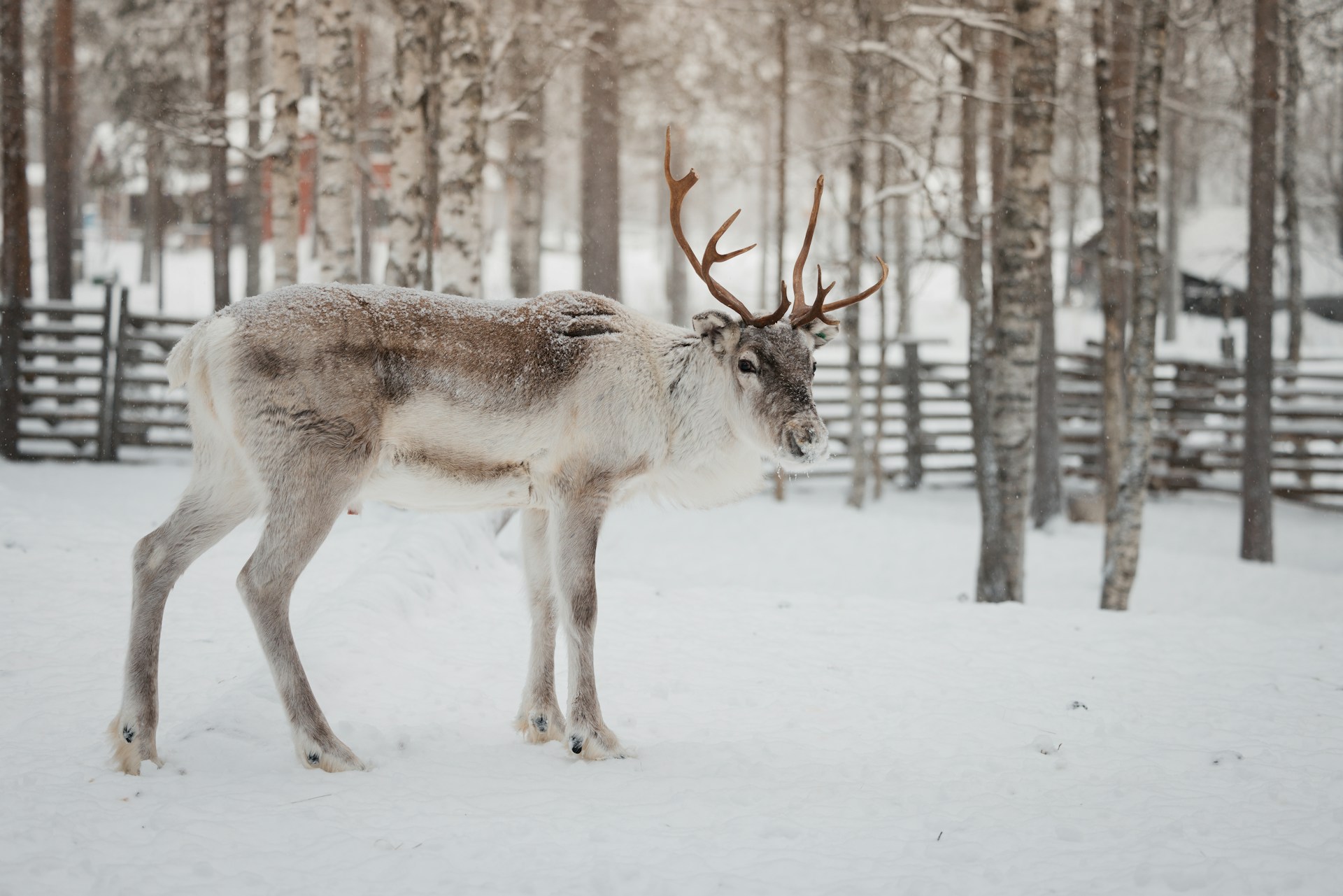
Photo by Janosch Jost on Unsplash
Hygge and fika had their moment. Here are nine Finnish words that deserve theirs

Nov 13, 2026 · 10 min read
Every few years a new Nordic word takes over the lifestyle shelf. First it was Danish hygge, the feeling of candles, wool socks and not going anywhere. Then Swedish fika, which is much more than a coffee break, and lagom, "just the right amount". Portuguese has saudade, a word people love to call untranslatable, and the Norwegians have koselig, which is hygge's close cousin.
I read those books with a slight sense of being left out. Finland is next door to all of them, and we have plenty of words like that too. They just never got a book deal, probably because Finnish words are harder to put on a cushion.
So here are nine of them. First, a small confession about the genre.
Nothing is really untranslatable
You can translate any of these words. You just need a sentence instead of a word, and sometimes a short story. That is all "untranslatable" means in practice: the dictionary gives you a gloss, and the gloss is missing the tone.
That missing tone is the interesting part, and it is where a native speaker can help. So for each word I'll give you the gloss, then what the gloss leaves out.
1. Sisu
The famous one. Sisu is usually translated as "grit", "resolve" or "perseverance", and every one of those is a bit too loud. Sisu is quiet. It is what you have when you keep going without making a speech about it.
Finns are fond of the word, partly because it is tied up with the national story of surviving a hard climate and a hard history. It gets used a lot when people talk about the Winter War. But in everyday Finnish you also hear it for much smaller things, like finishing a run in sleet.
It is also a Finnish boy's name, and the title of a 2022 action film about an old gold prospector who simply refuses to die. Which is about as good a summary of the word as any.
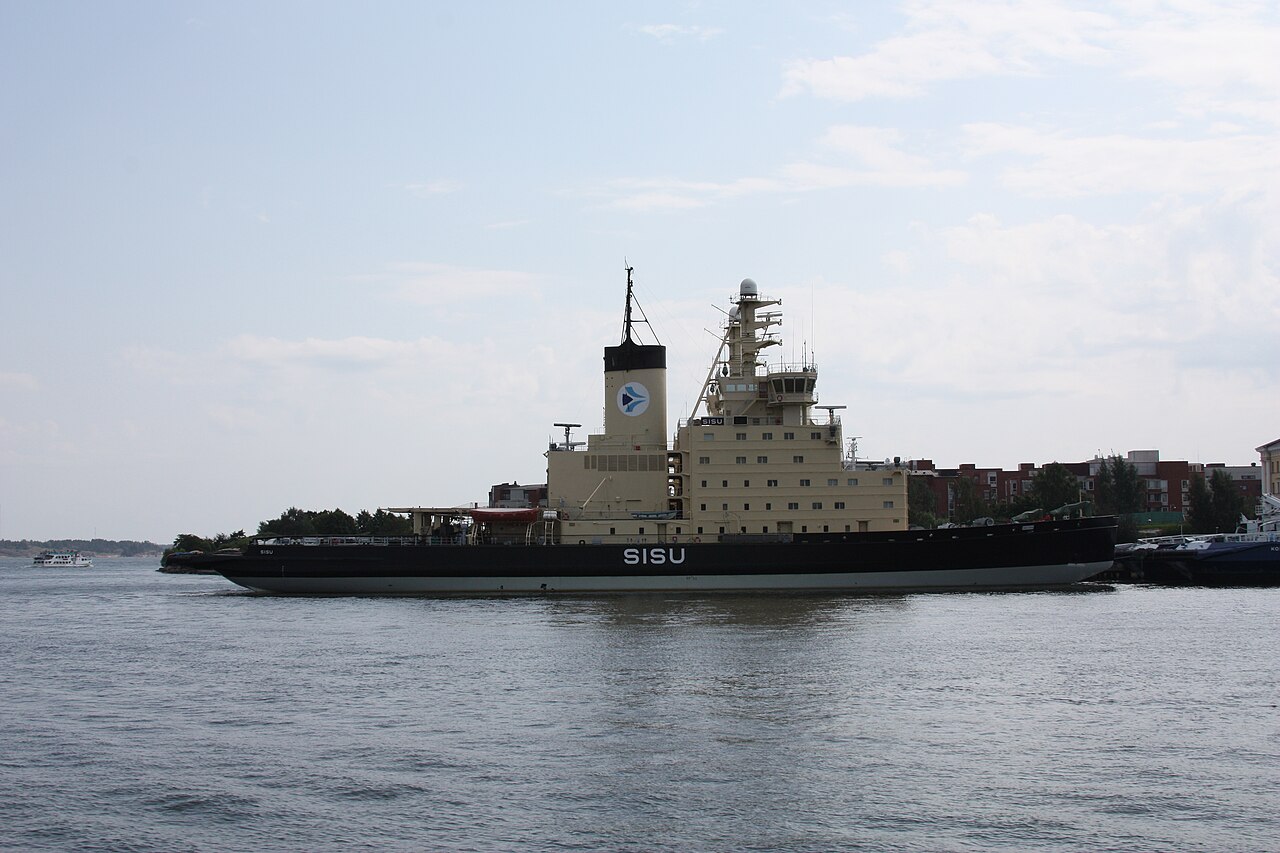
Hänellä on sisua. — She has sisu.
2. Kalsarikännit
Kalsarikännit is built from kalsarit (underpants) and kännit (a drinking spree). The idea: staying home, in comfortable clothes, with a drink, and with no plans to go anywhere. The important part is the second half. You are not drinking and then going out. The plan is to stay in.
In English, it is "drinking at home in your underpants". What that misses is how cosy and deliberate it is. It is closer to hygge than the translation suggests, just with fewer candles.
English-speaking journalists noticed this too. A 2018 book, Miska Rantanen's Päntsdrunk, pitched it as "the Finnish path to relaxation", and the press promptly called it Finland's answer to hygge. The pandemic then gave staying in with no plans a worldwide push. The word even turned up in The Simpsons, in the episode Frinkenstein's Monster, where Homer claims he did kalsarikännit before it was cool.
3. Myötähäpeä
You are watching someone give a toast that is going badly, and you are the one who wants to leave the room. That is myötähäpeä, usually translated as "vicarious embarrassment".
It is built from myötä- ("with", as in myötätunto, "compassion") and häpeä ("shame"), so it is literally "with-shame". Other languages have the same feeling and their own word for it. German has Fremdscham, and Spanish has vergüenza ajena, "someone else's shame". If you speak Spanish you already know this word. You only need the Finnish sound.
4. Ikävä
Ikävä is the word I would most like to hand to English speakers. As a noun, it is the longing you feel for someone who is not there. Finnish does have a verb for missing someone, kaivata (Kaipaan sinua), but it sounds a little formal, more letter or song lyric than everyday speech. In daily life you say that you have a longing for them:
Minulla on sinua ikävä. — I miss you (literally: "at me is a longing for you").
The word is also an adjective meaning "unpleasant", "boring" or "regrettable". Ikävä juttu means "that is a pity". So in Finnish, missing someone and something being unpleasant live in one word. I don't think that is an accident. It is the closest Finnish thing to saudade, though a Portuguese speaker would probably tell me it isn't the same, and they would be right.
(That minulla on is the same construction Finnish uses where English says "I have". We'll get to it another time. The case behind it is covered on the Finnish learning pages.)
5. Jaksaa
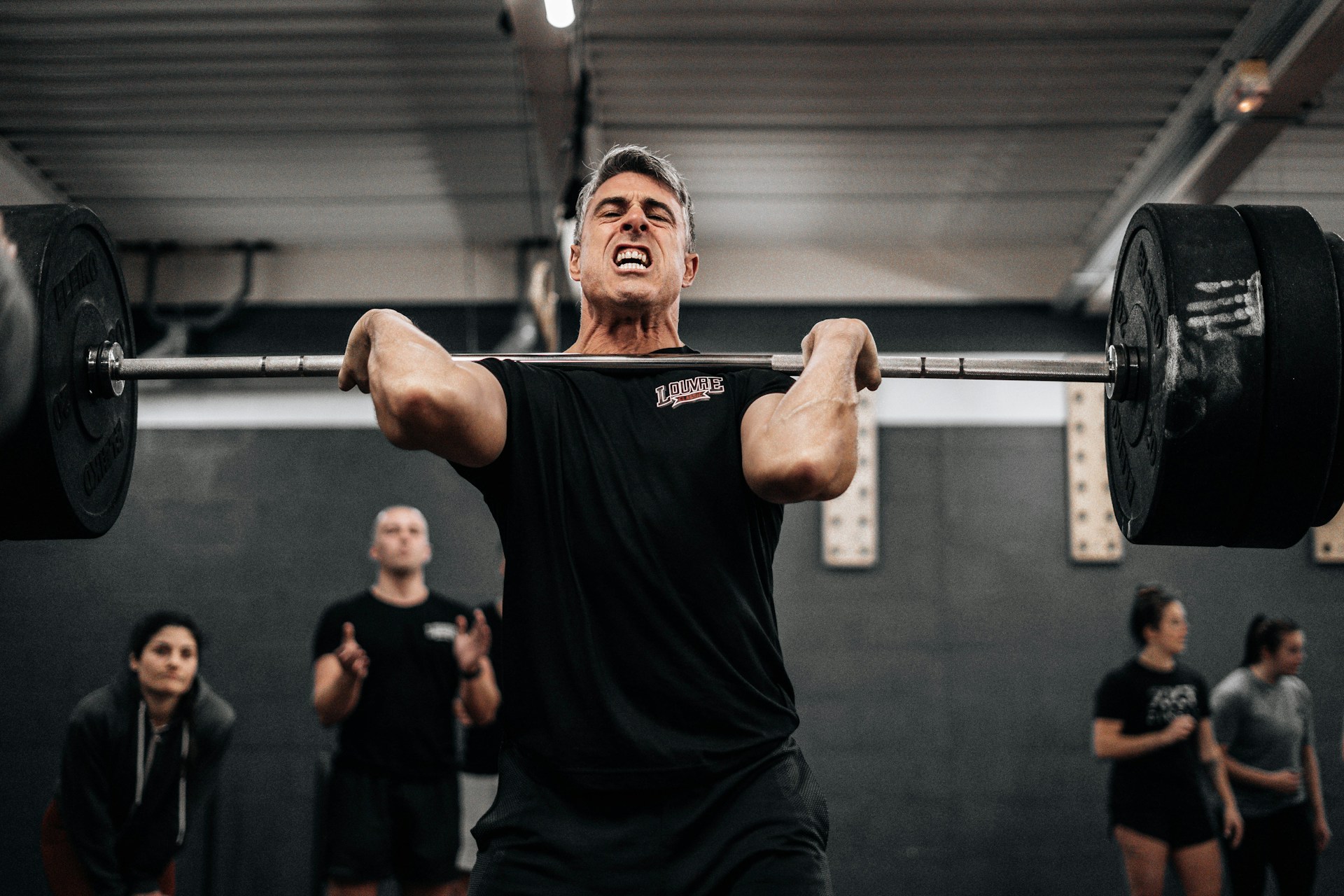
This is the one I'd say is hardest to gloss and the most useful. Jaksaa means "to have the energy or strength to do something". It is not about ability. You know how to climb the hill. The question is whether you can face it today.
En jaksa. — I can't be bothered / I haven't got the energy.
Jaksatko vielä? — Can you keep going?
And when someone is going through a rough patch, we say Jaksamista!, which is something like "Hang in there, may you have the strength." It is a wish and a bit of encouragement in one word, and the kind of thing you say as you part. English has nothing that short.
The same verb is also what you shout from the sidelines. At a marathon, on a cross-country ski track, or from the next bench when someone is grinding through a heavy set at the gym, you will hear "Jaksaa, jaksaa!" It means something like "Come on, you can do it!", and it works because it says exactly what the situation needs: not that you are able, but that you still have it in you right now.
6. Talkoot
Talkoot means voluntary work done together, usually unpaid, usually for a neighbour, a village or a club. Think of a whole street painting the school fence on a Saturday, with coffee and buns as the payment.
It is the plural form. The singular, talkoo, exists too, but in everyday speech you will nearly always hear talkoot, a bit like "scissors" in English: one event, but always the plural.
The spirit has its own word, talkoohenki, "talkoo spirit". When a Finn says "we did it with talkoo spirit" they mean it got done because everyone showed up and no one kept score.
Fittingly for a word about togetherness, talkoot seems to have come from outside. It is thought to be a very old loan from the Baltic languages, and Lithuanian still has talka for voluntary group work. Estonian talgud is its close cousin, and Norwegians have their own version of the idea in dugnad.
7. Tunnelma
Tunnelma is the mood or atmosphere of a place or a moment: the feeling a room has. A candlelit cabin has tunnelma. So does a football stadium, a quiet lake at dawn, and a very tense meeting. The adjective matters: hyvä tunnelma is a good one, painostava tunnelma is oppressive.
If you are looking for the Finnish answer to hygge, this is closer than anything else. But hygge is a thing you make, and tunnelma is something you notice. They are neighbours, not twins.
8. Jokamiehenoikeus
The longest word on the list is also the one I am proudest of. Jokamiehenoikeus, "everyman's right", is the right of anyone to walk, ski or cycle in the countryside and to pick wild berries and mushrooms, even on land someone else owns. You can't disturb people, damage anything or light fires wherever you like, but the basic freedom is yours.
You will also see the newer, more inclusive term jokaisenoikeus ("everyone's right"), which Finnish authorities now prefer. The official guide to everyone's rights spells out the limits, for example around gardens, fields and open fires.
Sweden has the same idea as allemansrätten and Norway as allemannsretten. It is a very Nordic habit, and it is also why a Finn will happily pick lingonberries in a forest with no fence. (Yes, that is why this blog exists.)
9. Poronkusema
We'll close with the most fun one. A poronkusema is "a reindeer's pee", and it is an actual traditional unit of distance: how far a reindeer travels between its toilet stops. It is usually put at 7 to 10 km, with about 7.5 km as the average, though it depends on who you ask and, presumably, on whether the reindeer got scared.
It is a proper word in the dictionary. In Lapland you may be told Sinne on matkaa poronkuseman verran ("It's a reindeer-stop's distance from here"), and with no kilometre posts in the wilderness, that is a perfectly useful answer. It is also my favourite proof that a language's untranslatable words are often just the ones that belong to the place.
Try them in a conversation
Here is a short exchange using two of them. Press play and listen to the vowels. Finnish is read the way it is written, so this is a good one to say along with.
Two friends catch up
Mari
Moi! Minulla on ollut sinua ikävä.
Hi! I've missed you.
Antti
Minullakin sinua. Mitä kuuluu?
I've missed you too. How are you?
Mari
Töitä on paljon, mutta kyllä minä jaksan.
There's a lot of work, but I'm managing.
Antti
Hyvä. Jaksamista!
Good. Hang in there!
Notice that Antti says only Minullakin sinua ("at me too, you"). He leaves out on ollut and even ikävä. Spoken Finnish happily drops whatever has just been said, so the whole sentence is understood. Nothing is missing.
Quick reference
- sisu — quiet, stubborn resolve
- kalsarikännit — staying in, in comfortable clothes, on purpose
- myötähäpeä — vicarious embarrassment (German Fremdscham, Spanish vergüenza ajena)
- ikävä — longing for someone, and also "unpleasant"
- jaksaa — to have the energy for something (and the shout of Jaksaa, jaksaa! from the sidelines)
- talkoot — voluntary work done together
- tunnelma — the atmosphere of a place or moment
- jokamiehenoikeus — everyone's right to roam and pick berries (newer term: jokaisenoikeus)
- poronkusema — a traditional unit of distance, about one reindeer stop
Test yourself
A friend is far away and you want to say you miss them. Which word do you need?
Which one would you take home?
If I had to export just one, it would be jaksaa. I use it every day without thinking, and I don't know how I'd get through a Monday in English without it. Which of these would you take home? And do you have a word in your own language that needs a whole sentence? I'd really like to hear it.
Jaksaa, jaksaa!
— Juha
Sources
- Wikipedia — Sisu, Hygge, Fika, Lagom, Saudade, Freedom to roam
- Wikipedia — Pantsdrunk, and Miska Rantanen in The Guardian, How the Finnish lifestyle of getting drunk while wearing pants became the new hygge
- Wiktionary — talkoot (Baltic origin)
- Suomen Luonto — Poronkusema kertoo matkan pituudesta (in Finnish)
- Luontoon.fi — Everyone's rights
- Wikipedia — Fremdscham
- Kotus — Kielitoimiston sanakirja — entries for ikävä, jaksaa, talkoot, tunnelma, poronkusema
Related posts
Want to practise what you've read?
Lingoberry gives you AI-powered translation, dictation, and speaking exercises — guided by Pip.
Try Lingoberry — it's freeComments
Join the conversation!
Log in to commentNo comments yet. Be the first to share!