
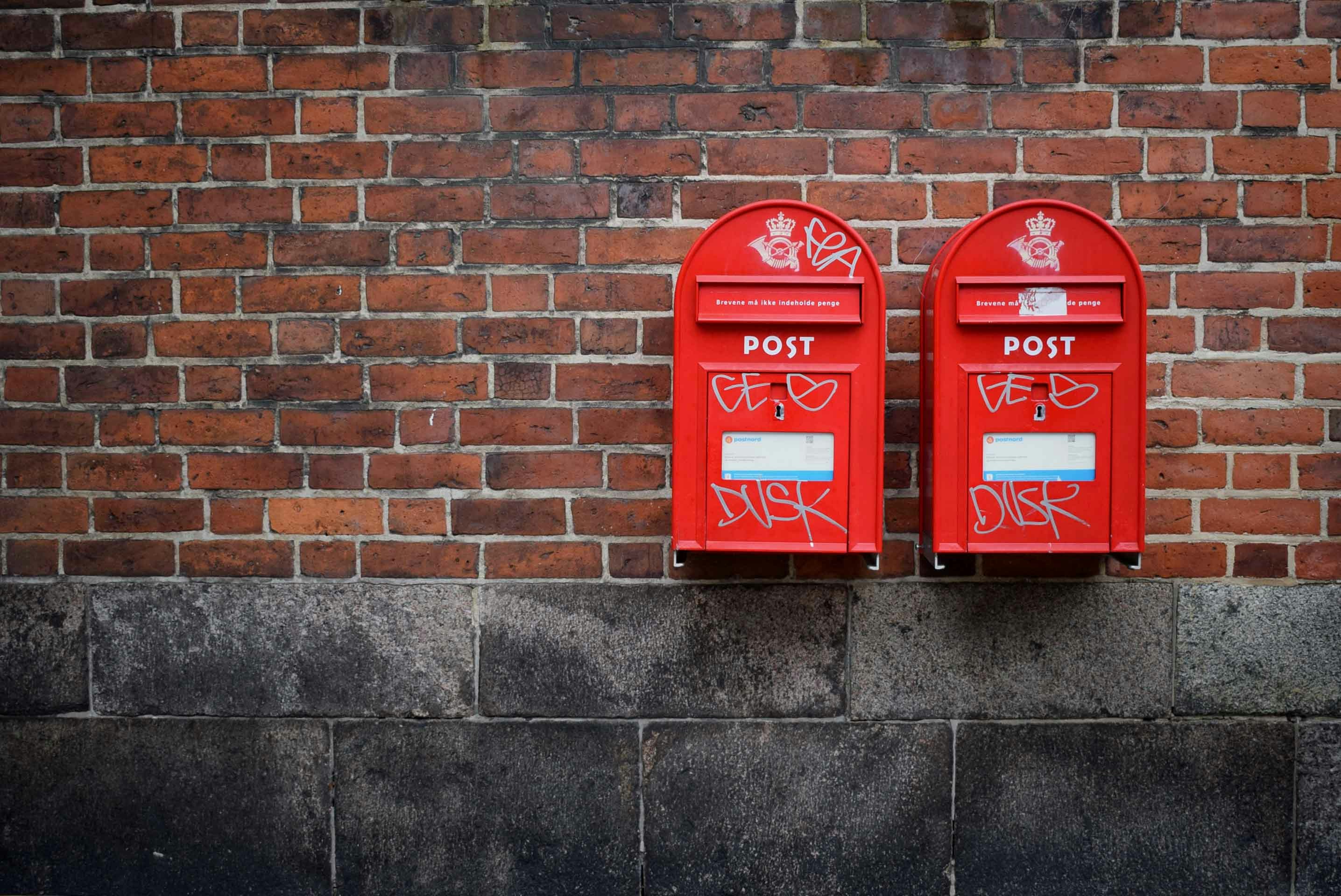
Photo by Kristina Tripkovic on Unsplash
From ZIP codes to blog posts: the surprising history of the word "post"

Pip
Aug 21, 2026 · 5 min read
An American fills out a form and writes their ZIP code. A Brit — or, honestly, most of the rest of the world — glances over: "Don't you mean your postal code?" Neither of them stops to wonder why it's called postal at all.
The Americans can at least claim their term sounds official. ZIP is an acronym: it stands for Zone Improvement Plan (you'll also see it written "Zoning Improvement Plan"), introduced by the U.S. Post Office on July 1, 1963 to speed up mail sorting. And the name was no accident — "ZIP" was chosen to suggest that mail would now travel with real zip, nice and speedy.
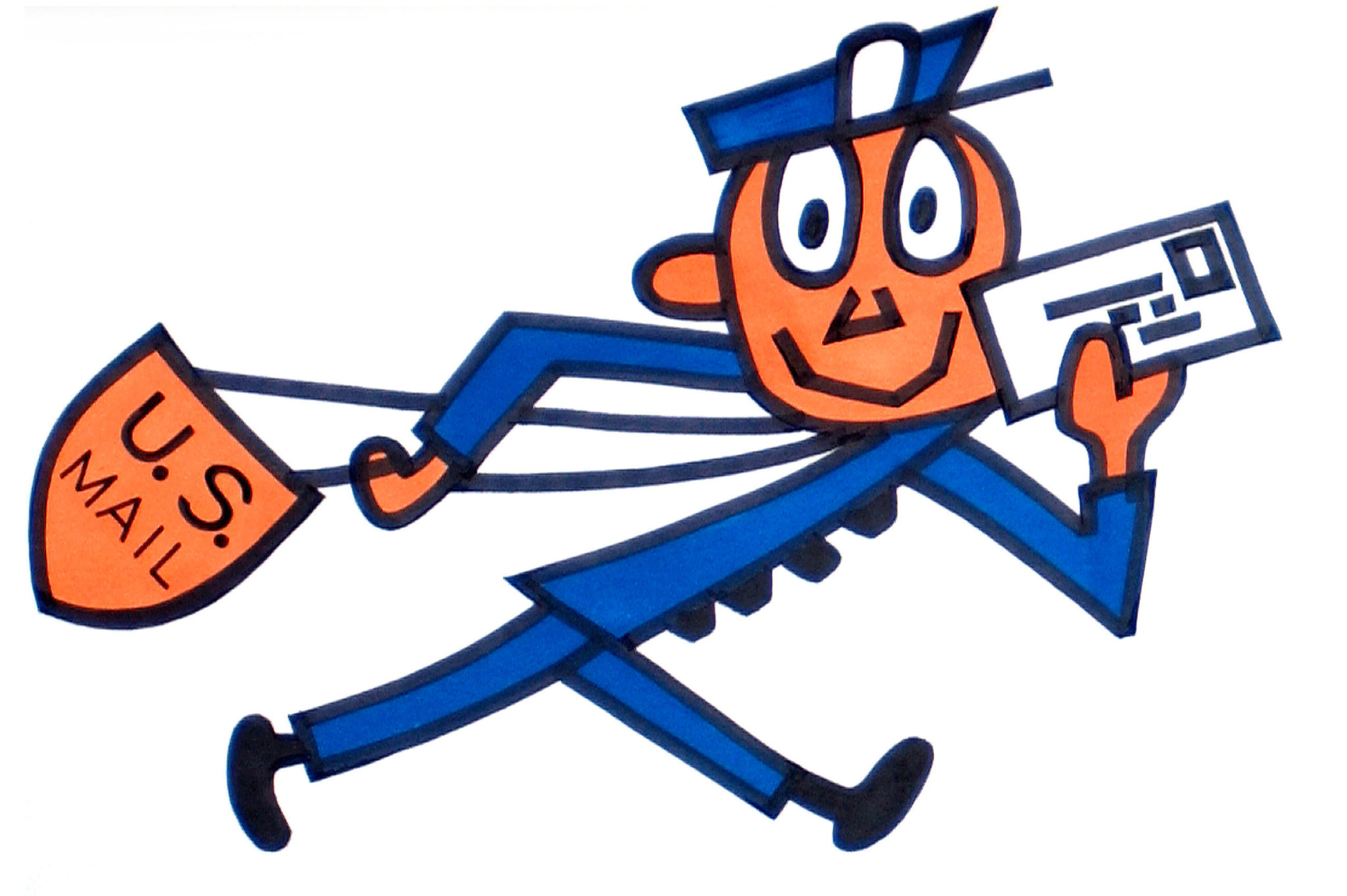
To sell the idea to a reluctant public, the Post Office rolled out a cheerful cartoon mascot named Mr. ZIP (nickname: "Zippy") — a lanky little postman who popped up on posters, stamps, and cardboard standups urging everyone to add the new code. He worked: within four years, eight out of ten Americans knew who Mr. ZIP was. Fun bit of trivia — Mr. ZIP himself had no voice and not even a first name, but the campaign did enlist Broadway legend Ethel Merman, who belted out a ZIP-code jingle set to the tune of "Zip-a-Dee-Doo-Dah."
But here's the thing the whole debate quietly skips over.
Where did "postal" come from in the first place?
Both sides are arguing about ZIP versus postal — but nobody stops to ask why we call it the post at all. Why is the thing that carries your letters, stamps your codes, and (as you're reading right now) publishes your blog posts all wrapped up in this one small, strange word?
The answer takes us back about two thousand years, to Roman roads, tired horses, and a wooden stake in the ground. And weirdly, it splits into two separate stories that both end at the same word.
Relay horses and mailbags
Our first thread starts with the Latin verb ponere, "to place" or "to put." Its past participle, positum ("placed"), travelled through Italian as posto and French as poste — a place where something is set down or stationed.
And what got stationed at these places? Horses.
Picture a Roman courier pulling into a roadside stop, swapping his exhausted horse for a fresh one, and riding on before he's even caught his breath. That stop, that placed station along the route, is a post.
Long-distance communication in the Roman world, and later across medieval and early-modern Europe, depended on these relay systems. At regular intervals along the main roads, riders could swap a spent horse for a fresh one and keep going. The horses stationed there became post-horses, and to travel by swapping mounts this way was to ride "post" — which is also how we ended up with "post-haste."
Because these relay stations were exactly how official letters and messages were carried across the country, the whole system — and eventually the letters themselves — took the name. The place where you dropped off and picked up mail became the Post Office, and the letters it handled became the post.
Quick word-nerd aside: while "post" was busy meaning the delivery system, the word mail came from an entirely different place. It traces back to the Old French male, meaning a bag or travelling pouch — the "mail" was literally the sack the letters were carried in. Two words, two totally different mental pictures, same everyday errand.
Wooden stakes and digital posts
Now for the second thread — and this is the one that lands you on the "Publish" button.
Alongside ponere, Latin had a closely related noun: postis, meaning an upright stake, a beam, or a doorpost. This is the sense we still use when we talk about a fence post, a goalpost, or the posts of a doorway — something planted firmly and standing upright. English borrowed it early, straight from Old English post "pillar, doorpost."
So how does a wooden stake become a blog post?
Think about what people did with those upright posts and doorframes for centuries: they tacked things up on them. A notice about a lost sheep, a public announcement, a proclamation from the town council — you'd nail it to a post in the village square or pin it to the church door where everyone could see it. By the 1630s, English had turned that into a verb: to post a notice meant to affix it to a post, and from there, "to make something known, to bring it before the public."
That physical act — sticking a notice up in a shared, visible place — never really went away. It just went digital. When you "post" on social media or write a blog post, you're doing the exact same thing your ancestors did: tacking a notice up in the town square for the community to read. The village square is just a lot bigger now, and the wooden stake is a server somewhere.
The takeaway
So the next time you click "Post" on a website — or grumble about ZIP codes versus postal codes — take a second to appreciate what a remarkable little word you're using.
In that one syllable: Roman relay stations, with fresh horses placed at fixed points along the road — ponere into posta — and the wooden doorposts (postis) where villagers pinned their news. Two roots, two thousand years apart, braided into a word we now type without thinking.
Every "post" you publish is a metaphor spanning ancient highways and village notice boards. Not bad for four little letters.
Until next time! 🌿
Sources
ZIP codes, Mr. ZIP & Ethel Merman
- Smithsonian National Postal Museum — "Mr. ZIP": https://postalmuseum.si.edu/exhibition/about-postal-operations-popular-culture-seals-symbols/mr-zip
- Smithsonian National Postal Museum — "The ZIP Code Promotional Campaign": https://postalmuseum.si.edu/research-article/flashing-across-the-country/the-zip-code-promotional-campaign
- Wikipedia — "ZIP Code": https://en.wikipedia.org/wiki/ZIP_Code
- Wikipedia — "Mr. ZIP": https://en.wikipedia.org/wiki/Mr._ZIP
Etymology of "post" (posta / postis) and "mail"
- Online Etymology Dictionary — "post": https://www.etymonline.com/word/post
- Online Etymology Dictionary — "mail": https://www.etymonline.com/word/mail
- Online Etymology Dictionary — "postal": https://www.etymonline.com/word/postal
Related posts
Want to practise what you've read?
Lingoberry gives you AI-powered translation, dictation, and speaking exercises — guided by Pip.
Try Lingoberry — it's freeComments
Join the conversation!
Log in to commentNo comments yet. Be the first to share!