The Lingoberry Blog
Language-learning tips, culture, and stories from Pip
Me vs. I: The grammar rule that trips everyone up
"Me and Sarah went to the store" — right or wrong? There's one simple trick that native speakers use instinctively: remove the other person and trust your ear. Once you know it, you'll never second-guess yourself again.

To be, or to be? The quiet philosophy of ser and estar
Every time you say "is" in Spanish, you're taking a philosophical position: ser asks what something fundamentally is, estar asks how it currently exists. Master that distinction and the exceptions stop feeling like exceptions.

Finnish has no future tense — so how does anyone make plans?
Finnish has no future tense. None. So how does an entire nation plan holidays, book appointments, and promise to pay you back? The answer makes English look like the strange one.

A "postecito" about the Spanish diminutive
Think the Spanish diminutive is just about making things small? Think again. From softening bad news to making things more intense, here is how Spanish speakers bake affection (and a bit of magic) right into the structure of their sentences—plus a look at how other languages stack up.

Myth: Spanish is an easy language to learn
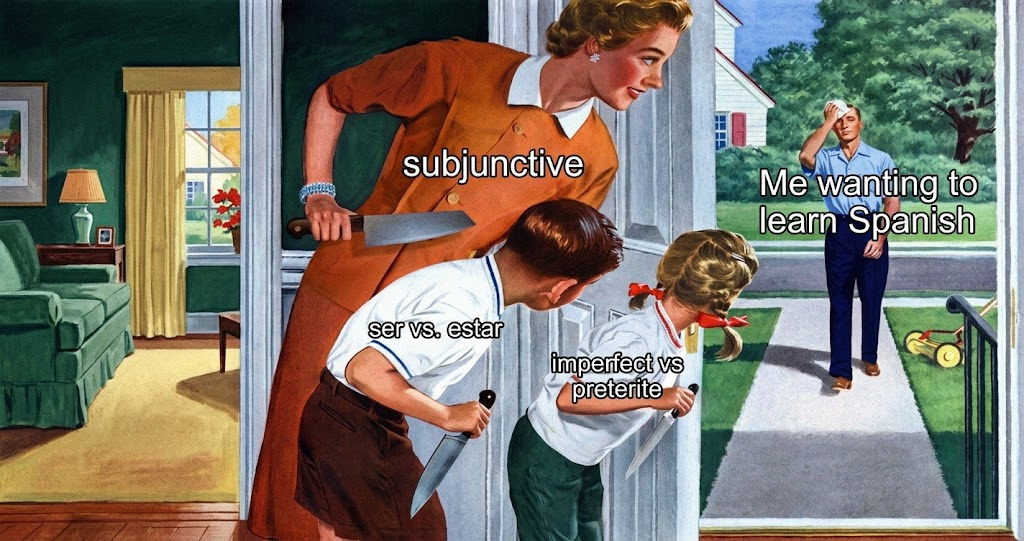
Spanish is often called the easiest language for English speakers. But between its not-quite-phonetic spelling, 16 verb tenses, and grammar concepts that don't exist in English, "accessible" might be a better word than "easy."