The Lingoberry Blog
Language-learning tips, culture, and stories from Pip
To be, or to be? The quiet philosophy of ser and estar
Every time you say "is" in Spanish, you're taking a philosophical position: ser asks what something fundamentally is, estar asks how it currently exists. Master that distinction and the exceptions stop feeling like exceptions.

A "postecito" about the Spanish diminutive
Think the Spanish diminutive is just about making things small? Think again. From softening bad news to making things more intense, here is how Spanish speakers bake affection (and a bit of magic) right into the structure of their sentences—plus a look at how other languages stack up.

Myth: Spanish is an easy language to learn
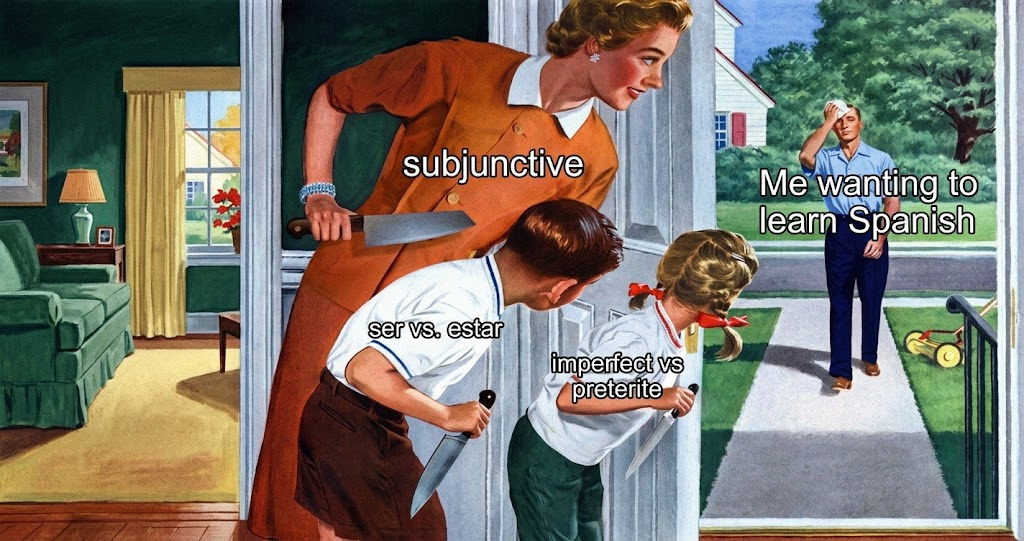
Spanish is often called the easiest language for English speakers. But between its not-quite-phonetic spelling, 16 verb tenses, and grammar concepts that don't exist in English, "accessible" might be a better word than "easy."
Every time you say "ojalá," you're speaking Arabic
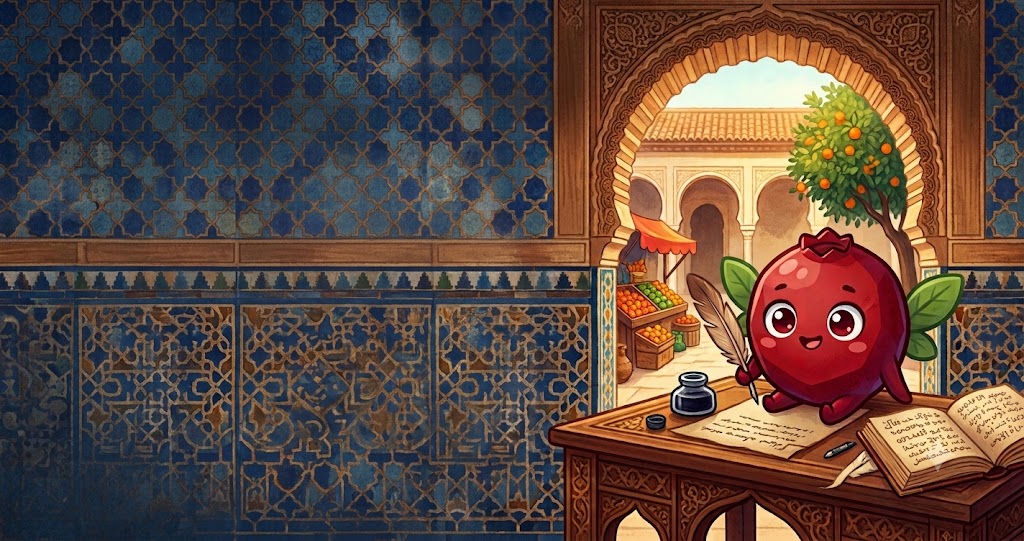
When a Spanish speaker sighs *ojalá*, they're unknowingly uttering an 8th-century Arabic prayer. It's one of around 4,000 Arabic words hiding in plain sight in modern Spanish — and the story of how they got there spans seven centuries, a medieval superpower, and a piece of fruit that travelled from ancient India to a Seville market.
What do bats and Italian supercars have in common?
A Lamborghini named after a bat? The story of murciélago connects a legendary Spanish bull, a Latin etymology hiding a "blind little mouse," Valencia's coat of arms, and a Mayan death god — all in one word. Here's why it's the most unforgettable vocabulary item in Spanish