
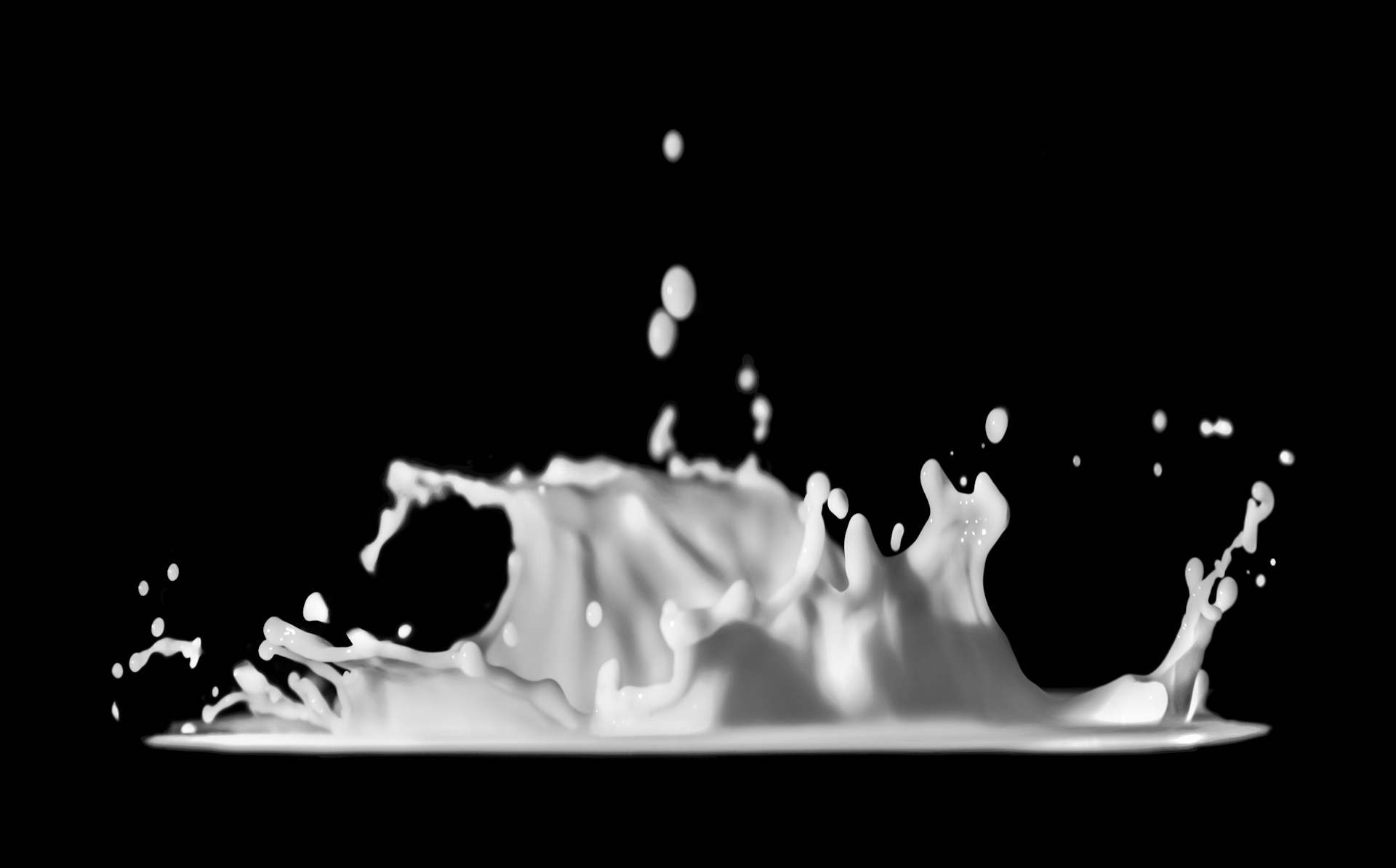
Photo by Daniel Sinoca on Unsplash
¡La Leche! A guide to Spain's milkiest expressions
 Pip · Sep 16, 2026 · 5 min read
If you've been studying Spanish like I have, you might have noticed that Spaniards (particularly in peninsular Spain) have a weird affection for one word. Can you guess what it is? No, I didn't mean that one — I'm talking about "leche" (milk). There are endless YouTube videos about the expressions with "leche" in them, so let's take a look at the origin of this word and some of these expressions. The last section contains some vulgar expressions, so if you're easily offended, you might want to skip it — though I'd argue that as a language learner, it's useful to recognise these even if you never use them yourself.
Before we dive in, I want to make a disclaimer that no cows were harmed in the making of this article.
The origin of "leche" and the expressions
The word "leche" comes from Latin lac (milk), which you can trace across Romance languages: French lait, Italian latte, Portuguese leite. It's also the root of English words like "lactose," "lactation," and "lactate." But that etymology doesn't explain why Spaniards use "milk" to mean everything from "awesome" to "I'm furious."
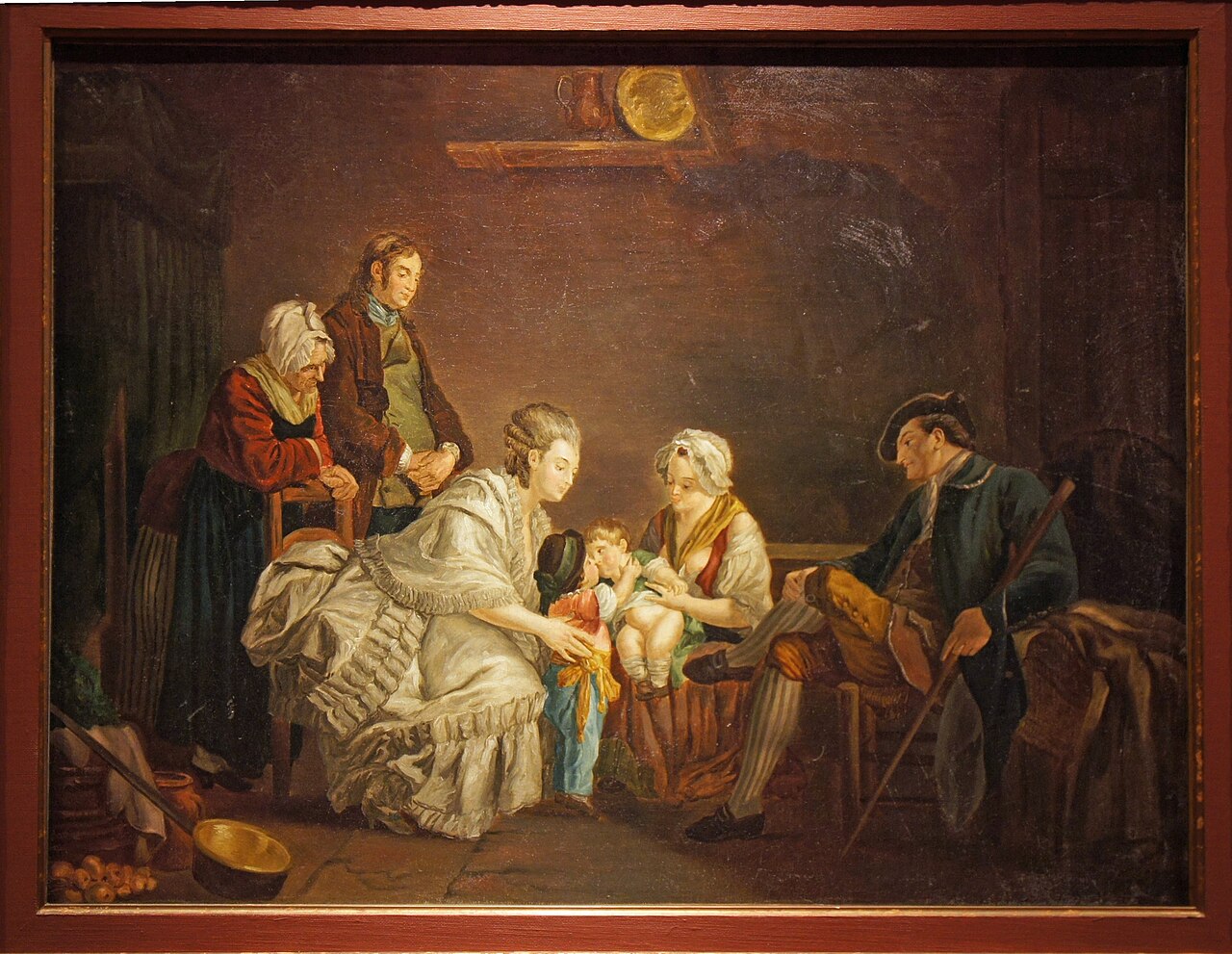
For that, we need to go back to wet nurses — nodrizas in Spanish. It was once widely believed that a wet nurse passed not just nourishment but her personality, temper, and moral character directly to the child through her milk. A child with a bad disposition? Must have had bad milk. Mala leche.

The Good
Let's start with some of the more positive expressions.
Ser la leche — "to be the milk" — means something is brilliant, amazing, or awesome. "¡Esa película fue la leche!" (That movie was amazing!) Similarly, a toda leche — "at full milk" — means at full speed. "Iba a toda leche por la autopista." (He was going full speed on the highway.) Both expressions carry a sense of intensity and enthusiasm.
There's also a playful riddle expression: blanca y en botella, leche — "white and in a bottle, milk." It's used to describe something that's obviously what it appears to be, like saying "if it walks like a duck..."
Two expressions tie directly back to the wet nurse origin. Hermano/a de leche — "milk sibling" — refers to someone who shared the same wet nurse, creating a bond similar to actual siblings. And of course, diente de leche — "milk tooth" — is just a baby tooth. Completely innocent and used everywhere in the Spanish-speaking world.
The Bad
These expressions have an edge to them, but aren't outright vulgar.
The king of this category is mala leche — "bad milk" — referring to bad temper, bad intentions, or ill will. This one ties directly to the wet nurse belief! You can use it to describe a person: "Ese tío tiene mala leche" (That guy has a nasty disposition), or an action done with malicious intent: "Lo hizo con mala leche" (He did it to be mean).
The phrase spawns several variations. ¡Qué mala leche! — "What bad milk!" — expresses that something unfortunate happened, similar to "What bad luck!" Estar de mala leche means to be in a bad mood: "No le hables ahora, está de mala leche" (Don't talk to him now, he's in a foul mood). And tener mala leche describes someone who's mean-spirited by nature — it's in their milk, so to speak.
On its own, leche can work as a mild exclamation, similar to "damn" or "shoot": "¡Leche! Se me olvidaron las llaves." (Damn! I forgot my keys.)
There's also a physical side to leche expressions. Darse una leche — "to give oneself a milk" — means to have a crash or collision: "Se dio una leche con la moto" (He had a crash on his motorcycle). And dar una leche — "to give a milk" — means to hit someone: "Le dio una leche" (He punched him).
For emphasis, you can throw in mil leches — "a thousand milks." "Hace un frío de mil leches" means "It's cold as hell." The plural intensifies everything.
And for dismissals: ¡Qué leches! — "What milks!" — expresses annoyance, like "What the hell!" ("¿Qué leches haces?" — What the hell are you doing?). Similarly, ni qué leches — "nor what milks" — is an emphatic "no way" or "my ass": "¿Vacaciones? ¡Ni qué leches!" (Vacation? My ass!)
The Ugly
Ok, trigger warning: the following expressions are vulgar, so if you're easily offended, you might want to skip to the afterword.
The crown jewel of Spanish milk-based profanity is ¡Me cago en la leche! — literally "I shit in the milk!" It's a common exclamation of frustration, anger, or surprise, and part of a family of "me cago en..." expressions (Spaniards famously "shit on" many things when angry). It's actually considered a euphemistic substitute for the much more offensive "me cago en Dios" (I shit on God) or "me cago en la Virgen" (I shit on the Virgin Mary), which are genuinely blasphemous in Catholic Spain.
Related to this is cagando leches — "shitting milks" — which means doing something at breakneck speed, often recklessly. "Salió cagando leches" (He left in a huge hurry). Don't ask me how we got from defecation to velocity, but here we are.
¡La leche! on its own (with heavy emphasis) can work as a stronger exclamation — roughly equivalent to "Holy shit!" It gets its punch from being a minced oath for the cago version above.
Quick Quiz
Think you've got your leche expressions down? Let's find out!
What does "ser la leche" mean?
Afterword
One thing worth mentioning: these "leche" expressions are predominantly used in Spain (peninsular Spanish). While speakers in Latin America will understand them, they're not commonly used there and some may sound old-fashioned or overly Spanish. The vulgar "me cago en..." family is quintessentially Iberian, so if you're learning Mexican or Argentine Spanish, you might get some puzzled looks if you start dropping these in conversation.
Did I miss any expressions with "leche" in them? Do you have an everyday favourite? If so, please let me know in the comments below!
¡No me toques las leches! — Pip 🌿
Related posts
Want to practise what you've read?
Lingoberry gives you AI-powered translation, dictation, and speaking exercises — guided by Pip.
Try Lingoberry — it's freeComments
Join the conversation!
Log in to commentNo comments yet. Be the first to share!