The Lingoberry Blog
Language-learning tips, culture, and stories from Pip
"Who" or "whom"? The two-second test that ends the panic
Who or whom? Swap in he or him and you have the answer. A quick test, the story of why whom is fading, and a 5-question quiz.

Fewer or less? The one rule that clears it up
Fewer or less? Learn the one counting test that settles it, plus the 1770 opinion and the 2008 Tesco sign change behind the debate.

The Spanish subjunctive: three triggers that unlock it
Spanish’s subjunctive can feel like a mystery, but three common triggers make it easier to spot: wishes, doubt, and emotion. Learn when to use it, how to form it, and try a few examples.

My recommended YouTube channels for intermediate Spanish learners
Textbooks teach you Spanish. These YouTube channels teach you how Spanish people actually talk.
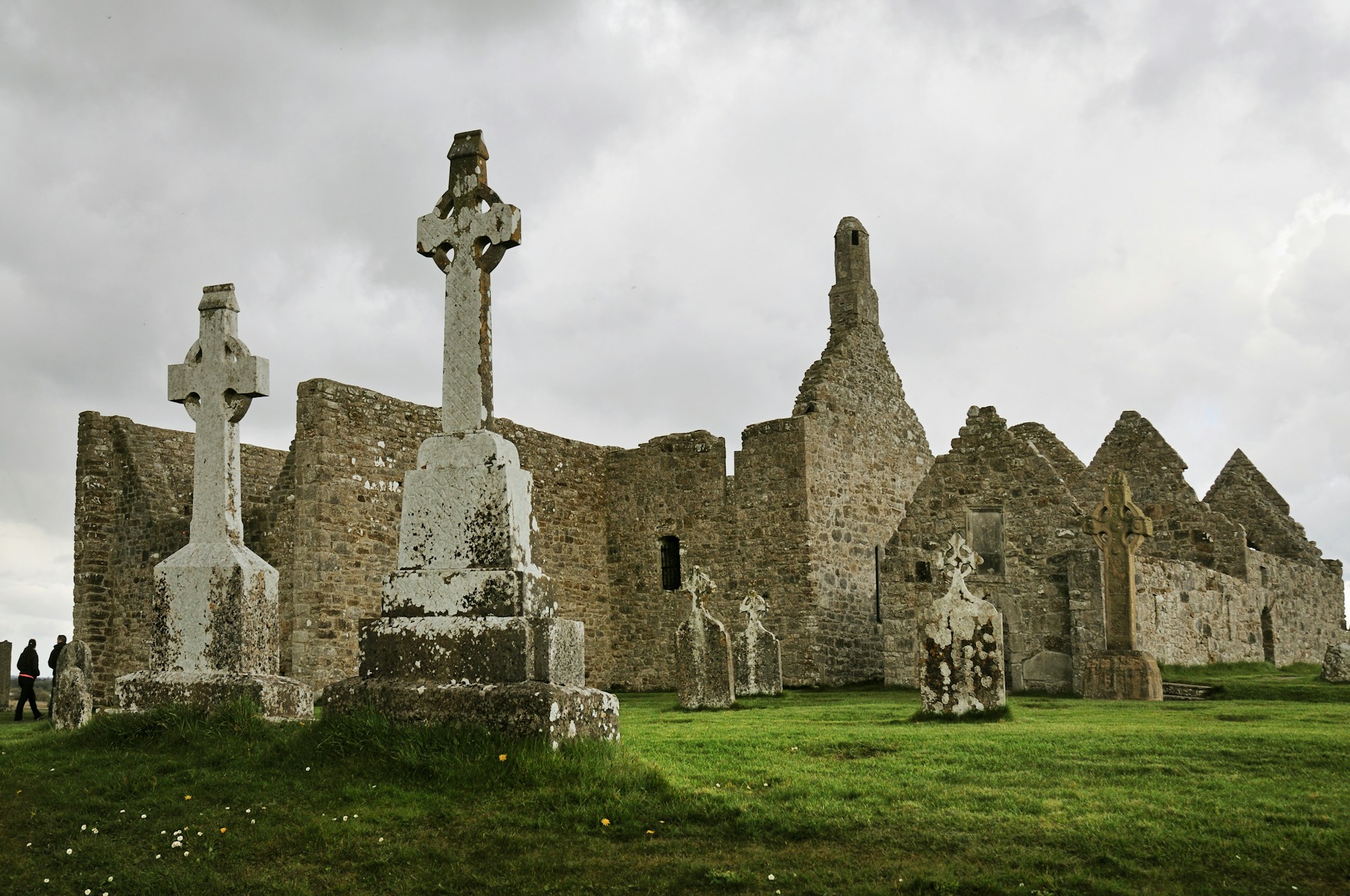
Mythology & Language, Part 4: The Celtic ghosts hiding in your city map and your calendar
You already know Thursday belongs to Thor and January belongs to Janus. But whose city is Lyon? Who does Halloween actually belong to? The Celts once spanned most of Europe — and their gods are still hiding in the names of major cities, in a two-billion-person holiday, and in more English words than you'd expect.
Finnish has two languages (and you probably only know one)
You've studied Finnish — conjugated verbs, declined nouns, maybe even survived partitive case. Then you watch a Finnish TV show and understand nothing. Welcome to puhekieli, spoken Finnish, where pronouns shrink, words fuse together, and letters vanish. This guide breaks down the system so you can finally understand how Finns actually talk.

Mythology & Language, Part 3: How Norse Gods Named Our Weekdays
Why is Wednesday spelled so strangely? Learn how Norse gods Thor, Odin, and Týr named our weekdays — plus Viking words like "berserk" and "ransack."

Mythology & Language, Part 2: How Roman Gods Named Our Calendar
From the calendar to the planets, Roman mythology shaped modern vocabulary. Explore why January honors Janus and how Vulcan gave us "volcano."
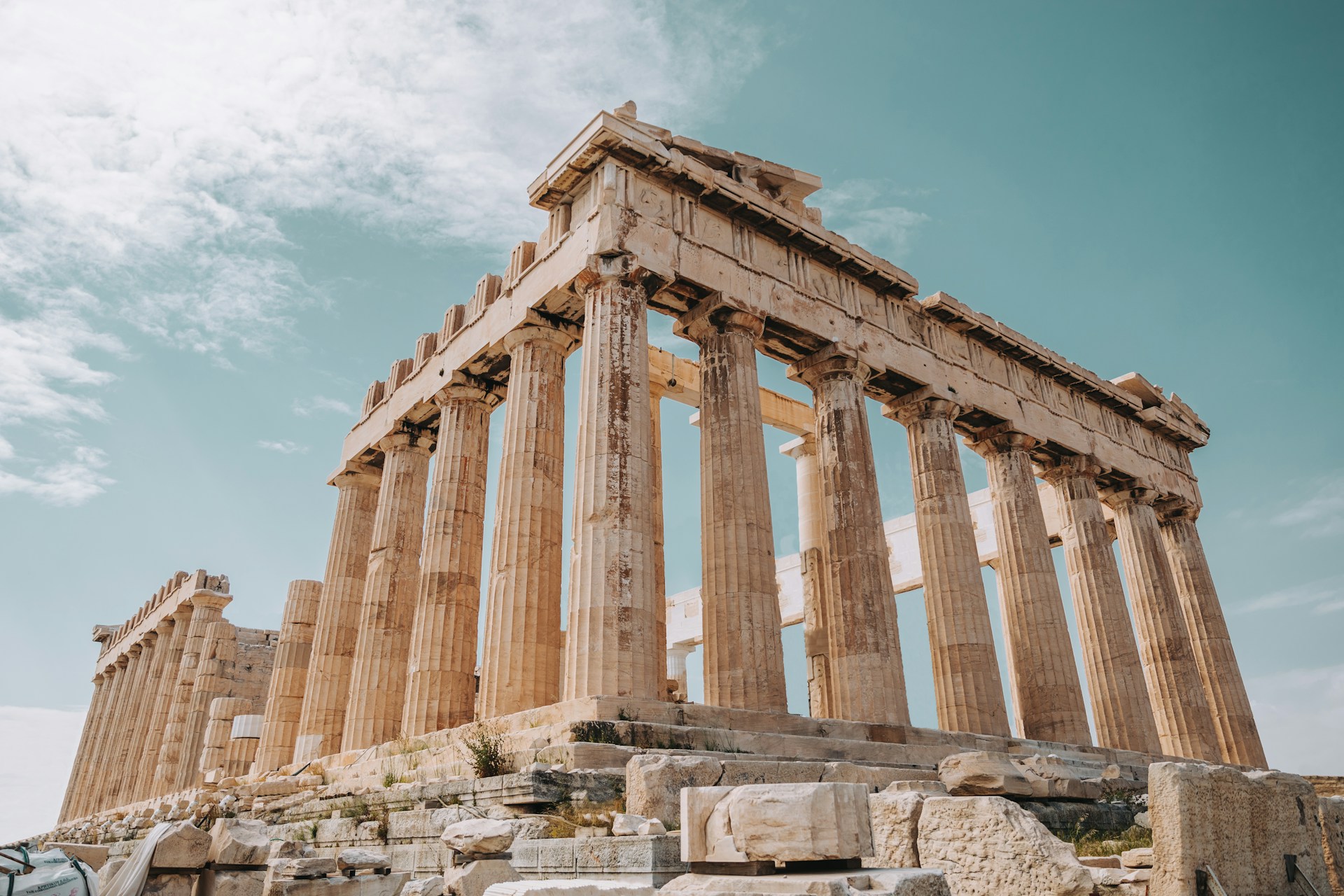
Mythology & Language, Part 1: How Greek Gods Shaped Modern Vocabulary
Discover how Greek gods like Hermes, Athena, and the Muses still live in everyday English words. Learn the mythological origins of "panic," "narcissism," and more.
¡La Leche! A guide to Spain's milkiest expressions
Why do Spaniards use "milk" to mean everything from "awesome" to "I'm furious"? From wet nurses to profanity, here's your guide to Spain's strangest expressions.