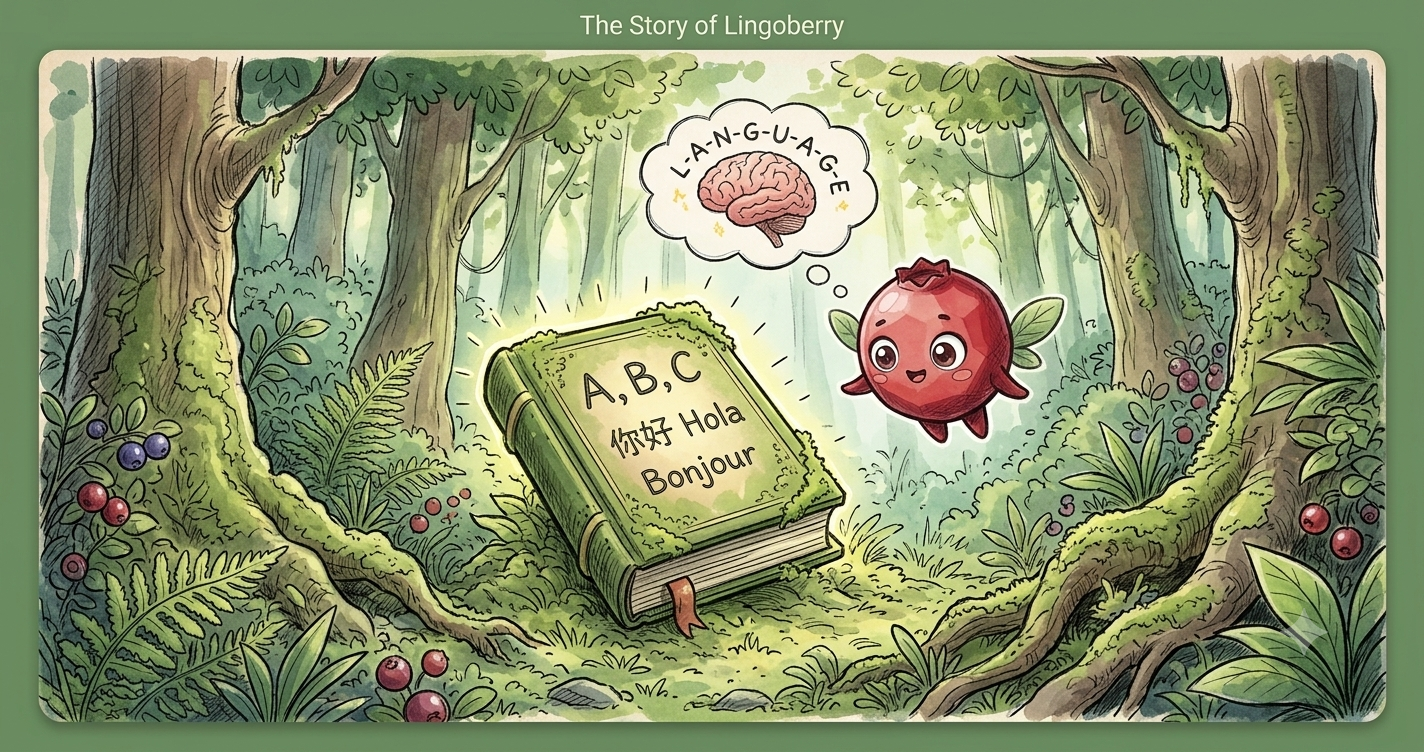
The Lingoberry Blog
Language-learning tips, culture, and stories from Pip
Lingonberry: Finland's "red gold"
Finland's "red gold" is more than just a berry — it shaped mythology, saved lives through harsh winters, and remains a cherished national tradition. Discover the story behind Pip's namesake.

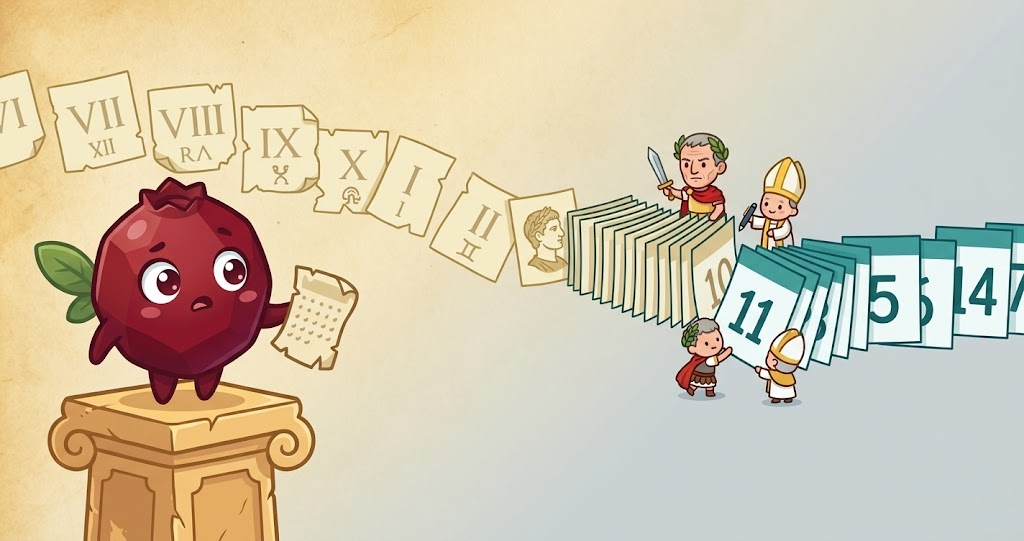
September is lying to you — and so are October, November, and December
September means "seventh." October means "eighth." November, ninth. December, tenth. Every single one of them is wrong — and has been for over 2,500 years. Here's the paper trail of kings, dictators, and one very decisive pope that turned a tidy ten-month calendar into the gloriously broken thing we still use today.
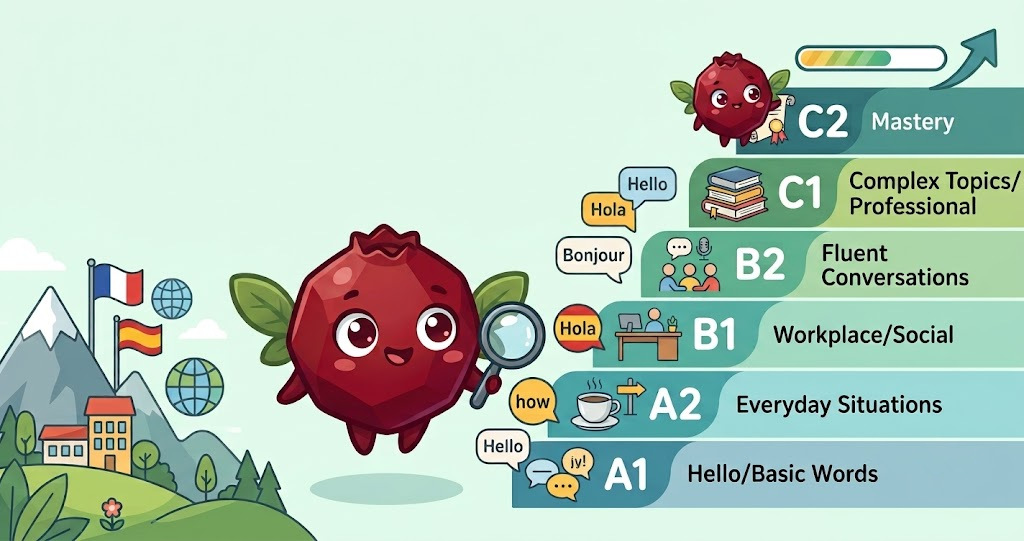
Demystifying CEFR: How to find your true language level (A1 to C2)
Most language apps ask you to pick a level before you even begin — but what do those letters actually mean? This guide breaks down all six CEFR levels (A1 to C2) with plain-English descriptions and practical "Can-Do" checklists, so you can pinpoint exactly where you stand and choose learning materials that actually fit.
How good is AI at teaching languages?
Large Language Models don't learn languages the way humans do — they don't feel, desire, or grow from experience. But understanding how they actually work under the hood might make you a better language learner.
A "postecito" about the Spanish diminutive
Think the Spanish diminutive is just about making things small? Think again. From softening bad news to making things more intense, here is how Spanish speakers bake affection (and a bit of magic) right into the structure of their sentences—plus a look at how other languages stack up.

Myth: Spanish is an easy language to learn
Spanish is often called the easiest language for English speakers. But between its not-quite-phonetic spelling, 16 verb tenses, and grammar concepts that don't exist in English, "accessible" might be a better word than "easy."

Every time you say "ojalá," you're speaking Arabic
When a Spanish speaker sighs *ojalá*, they're unknowingly uttering an 8th-century Arabic prayer. It's one of around 4,000 Arabic words hiding in plain sight in modern Spanish — and the story of how they got there spans seven centuries, a medieval superpower, and a piece of fruit that travelled from ancient India to a Seville market.
What do bats and Italian supercars have in common?
A Lamborghini named after a bat? The story of murciélago connects a legendary Spanish bull, a Latin etymology hiding a "blind little mouse," Valencia's coat of arms, and a Mayan death god — all in one word. Here's why it's the most unforgettable vocabulary item in Spanish

How it all started?
I was stuck at B1 and couldn't find an app that made me produce language instead of just consuming it. So I built one.
Read more →