
Everyday Finnish idioms and what they really mean
Last updated 28 October 2026
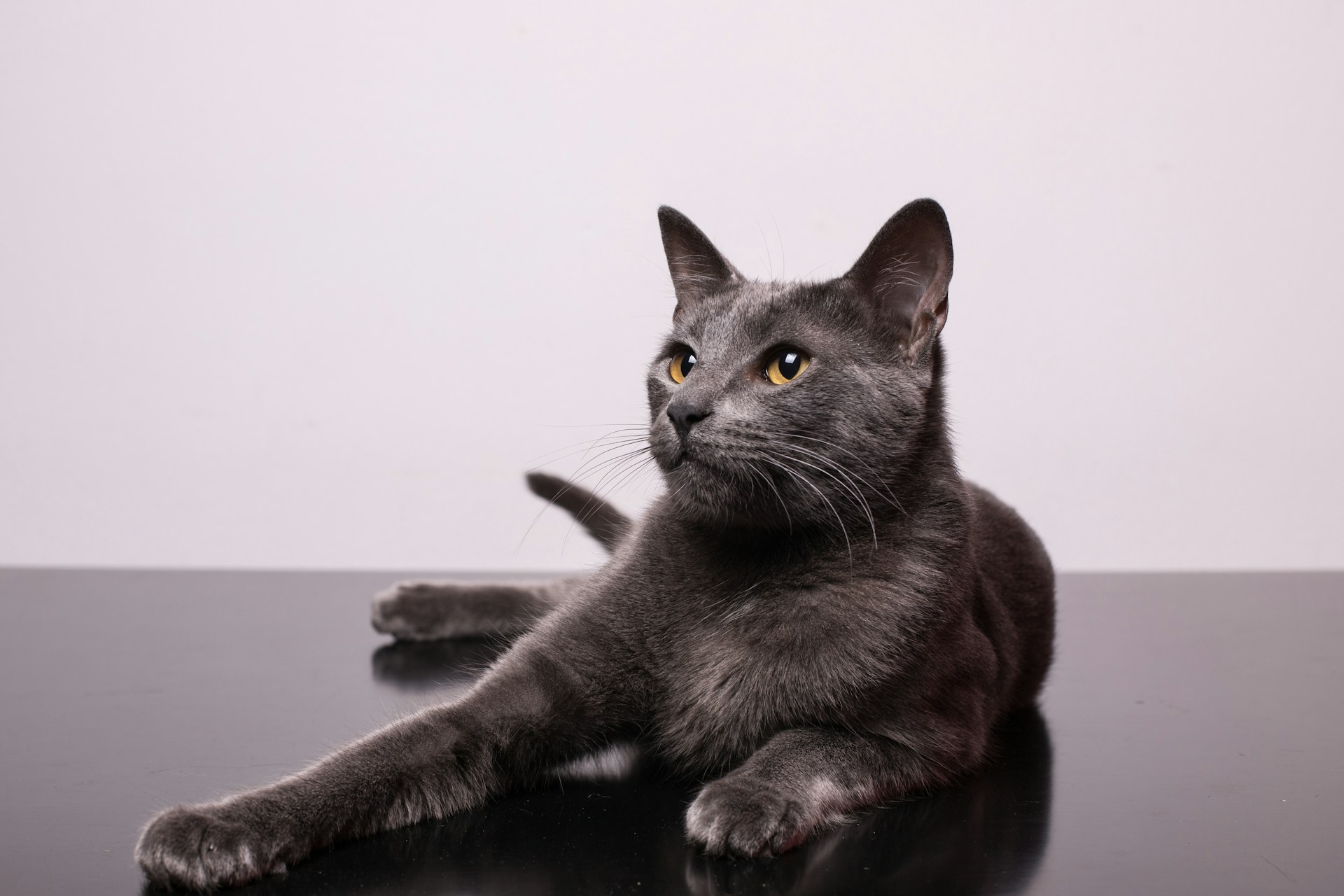
Finnish idioms are short, concrete and often funny. They borrow images from the farm, the forest and the kitchen, and a good many of them have a close English cousin once you know where to look. Each entry below gives the literal translation first, so you can see how the picture works, then the meaning you will actually hear, the nearest English phrase and an example in Finnish.
Two things to know before you start. Idioms are listed in the infinitive, but in real sentences the verb and its object change form: you say nostaa kissa pöydälle in a list and hän nosti kissan pöydälle in a story. And most of these are informal speech, so listen for them in conversation before you use them in writing.
Quick reference
- nostaa kissa pöydälle to bring up an awkward matter openly
- mennä metsään to get it wrong
- tehdä kärpäsestä härkänen to make a mountain out of a molehill
- heittää lusikka nurkkaan to die
- mennä kuin kuumille kiville to sell out very fast
- sataa kuin saavista kaatamalla to pour with rain
- olla pihalla to be clueless
- pitää peukkuja to keep your fingers crossed
- nousta kuin sieniä sateella to spring up everywhere
- olla hakoteillä to be on the wrong track
Nostaa kissa pöydälle
- Literal: "To lift the cat onto the table."
- Meaning: To raise a difficult or embarrassing subject that everyone has been avoiding, and say it plainly.
- English equivalent: To address the elephant in the room.
- Example: Kokouksessa Liisa nosti kissan pöydälle: kukaan ei ollut tehnyt omaa osuuttaan. (In the meeting, Liisa addressed the elephant in the room: nobody had done their share.)
A cat on the table is something you cannot ignore, which is the whole joke. Note that the object takes the ending -n (kissan) when the verb is in a finite form.
Mennä metsään
- Literal: "To go into the forest."
- Meaning: To be completely wrong, or to get something badly wrong. It is often used for guesses and estimates.
- English equivalent: To be way off, to miss the mark.
- Example: Arvaus meni täysin metsään. (The guess was completely off.)
You will also hear mennä puihin ("to go into the trees") with the same meaning.
Tehdä kärpäsestä härkänen
- Literal: "To make an ox out of a fly."
- Meaning: To blow a small problem out of proportion.
- English equivalent: To make a mountain out of a molehill.
- Example: Älä tee kärpäsestä härkästä, se oli vain pieni virhe. (Do not make a mountain out of a molehill, it was only a small mistake.)
After a negative, the object is in the partitive: härkänen becomes härkästä. The reason is explained in the partitive case.
Heittää lusikka nurkkaan
- Literal: "To throw the spoon into the corner."
- Meaning: To die. It is often said in a joking way.
- English equivalent: To kick the bucket.
- Example: Isoisä heitti lusikkansa nurkkaan viime talvena. (Grandad kicked the bucket last winter.)
This one is humorous and informal. Do not use it about a person in a serious conversation.
Mennä kuin kuumille kiville
- Literal: "To go like onto hot stones."
- Meaning: To sell very quickly. The image is usually explained by the sauna: water thrown onto the hot stones vanishes at once.
- English equivalent: To sell like hot cakes.
- Example: Konserttiliput menivät kuin kuumille kiville. (The concert tickets sold like hot cakes.)
Sataa kuin saavista kaatamalla
- Literal: "To rain as if pouring from a bucket."
- Meaning: To rain very hard.
- English equivalent: To pour with rain, or to rain cats and dogs.
- Example: Eilen satoi kuin saavista kaatamalla, joten jäimme sisälle. (It poured with rain yesterday, so we stayed indoors.)
Olla pihalla
- Literal: "To be out in the yard."
- Meaning: To have no idea what is going on, or to be lost in a conversation or an exam. Informal.
- English equivalent: To be clueless, to be out of the loop.
- Example: Olin matematiikan kokeessa ihan pihalla. (I was completely clueless in the maths exam.)
Pitää peukkuja
- Literal: "To hold thumbs."
- Meaning: To wish someone luck.
- English equivalent: To keep your fingers crossed.
- Example: Pidän peukkuja sinulle huomiseksi! (I will keep my fingers crossed for you for tomorrow!)
Finns hold their thumbs, not their crossed fingers, and the object is in the partitive plural: peukkuja.
Nousta kuin sieniä sateella
- Literal: "To rise like mushrooms after rain."
- Meaning: To appear suddenly and in large numbers. The partitive plural sieniä suggests there will be plenty of them. Finland is a country of mushroom pickers, so the picture is a familiar one.
- English equivalent: To spring up like mushrooms.
- Example: Uusia kahviloita on noussut kuin sieniä sateella. (New cafés have sprung up like mushrooms.)
Olla hakoteillä
- Literal: "To be on the hay paths."
- Meaning: To be on the wrong track, or to have gone astray. The picture is of wandering off the proper road.
- English equivalent: To be on the wrong track, to be barking up the wrong tree.
- Example: Tutkimus on alusta asti ollut hakoteillä. (The investigation has been on the wrong track from the start.)
Using idioms well
- Keep the picture. Finnish idioms are fixed. Swapping a word, such as a dog for the cat, makes them lose their meaning.
- Mind the endings. The nouns inside an idiom change with the sentence: nostaa kissa becomes nosti kissan, and kärpänen becomes kärpäsestä. See the local cases for the endings behind pöydälle and nurkkaan.
- Listen first. Many idioms are casual. Spoken Finnish also shortens words, which can hide an idiom when you hear it. The post on spoken and written Finnish shows how.
- Use a few well. One idiom at the right moment sounds natural. Five in a row sounds like a phrasebook.
Practice
Someone says "Nostetaan kissa pöydälle". What do they want to do?
Ready for more everyday Finnish? Try ordering at a restaurant.
More in Idioms and expressions
Read the rule, then use it. Write your own sentences and get Pip's feedback on them.
Start Learning Free